

⚡ Aidi Dog at a Glance: Key Specifications & Benchmarks
| Taxonomic Classification | Canis lupus familiaris (Atlas Mountain Livestock Guardian Dog) |
| Primary Working Function | Flock sentinel, homestead predator defense, wild boar hunting, encampment protection |
| Mature Male Body Weight | 55 – 75 lbs (25 – 34 kg); height at withers 20.5 – 24.5 inches (52 – 62 cm) |
| Mature Female Body Weight | 50 – 65 lbs (23 – 30 kg); height at withers 20.5 – 24.5 inches (52 – 62 cm) |
| Coat & Weather Hardiness | Dense, weather-resistant double coat (approx. 2.5 inches); thick protective neck ruff |
| Sensory Specialization | Exceptional olfactory scenting ability; detects predators miles downwind |
| Temperament Profile | Vigilant, fearless, fiercely protective of flock, deeply affectionate with family |
| Exercise & Territory Needs | High working stamina; requires expansive acreage or active daily patrol territory |
| International Registry | Fédération Cynologique Internationale (FCI Standard No. 247, Group 2) |
| Average Working Lifespan | 11 – 14 years under quality protein nutrition and outdoor pasture conditioning |
The Aidi dog (formally recognized as the Atlas Mountain Dog or Chien de l’Atlas) is an ancient, noble livestock guardian breed native to the rugged, snow-capped peaks and sun-baked plateaus of Morocco, Algeria, and Tunisia. Developed over millennia by semi-nomadic Berber pastoralists, the Aidi was bred not to herd sheep, but to stand as an incorruptible sentinel—defending grazing flocks, tents, and mountain encampments against predatory jackals, wild boars, and thieves. Following biosecurity best practices reduces disease risk in any aidi dog operation.
Integrating working guardian dogs into pastoral livestock operations requires thorough understanding of canine social structure, boundary fencing, and early livestock bonding. Explore working canine principles across our farm and working dogs directory to plan patrol perimeters, shelter boxes, and pack dynamics. Seasonal adjustments to shelter and diet keep aidi dog thriving year-round.
Unlike European flock guardians like the Great Pyrenees that rely primarily on imposing physical bulk, the Aidi is an athletic, medium-sized predator defense dog that pairs fearless physical courage with an extraordinary sense of smell. Operating with independent intelligence, the Aidi patrols territory continuously, alerting shepherds to approaching threats long before predators reach fence lines. This comprehensive guide details Aidi working heritage, physical standards, training protocols, nutrition, and flock bonding. Proper record-keeping makes breeding and culling decisions easier for aidi dog keepers.
Physical Characteristics, Breed Standards & Coat Protection
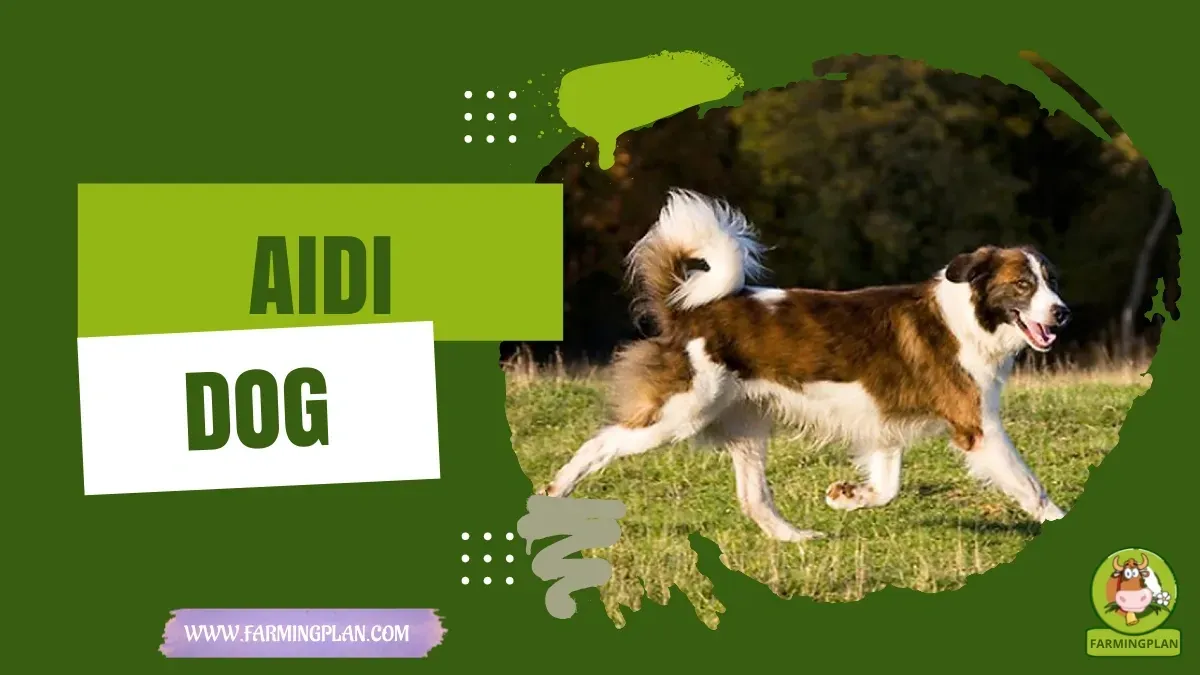
The Aidi possesses a solidly built, muscular, yet remarkably agile frame measuring 20.5 to 24.5 inches at the withers. The head is broad, bear-like, and wedge-shaped, featuring strong jaws, dark expressive almond eyes, and dropped semi-erect ears that lift forward when alert. The chest is broad and deep, housing massive lung capacity built for traversing steep mountain inclines at high altitudes. Providing adequate space and ventilation prevents common stress issues in aidi dog.
The Weatherproof Double Coat and Color Variations
The coat of the Aidi is an engineering marvel adapted to North African climatic extremes. Approximately 2.5 inches in length, the dense, harsh outer coat is paired with a thick, fine undercoat that insulates against freezing mountain snow and searing desert sun. A heavy, protective ruff of hair encircles the neck and throat, serving as natural armor against bites from predators. Recognized colors include white, fawn, tawny, chestnut, black, and piebald (white with dark patches).
⚡ Aidi Dog Working Guardian Benchmarks & Physical Matrix
| Working Characteristic | Aidi Breed Benchmark | European Guardian (Great Pyrenees) | Pastoral Advantage |
|---|---|---|---|
| Adult Working Weight | 55 – 75 lbs (Agile medium athletic) | 100 – 140 lbs (Heavy giant frame) | Superior agility across steep rocky mountain terrain |
| Predator Detection Sense | Olfactory scenting + acute hearing | Visual spotting + perimeter barking | Scents predators miles downwind in scrub brush |
| Thermal Adaptation Range | 15°F – 105°F+ (Subtropical/Alpine) | -10°F – 80°F (Suffers in southern heat) | Excels in hot southern and dry western pastures |
| Working Partnership Style | Frequently paired with Sloughi sighthounds | Operates as solitary flock defender | Flushes game and scents predators for hunter/shepherd |
| Family / Handler Loyalty | Deeply affectionate, gentle with children | Aloof, independent, self-directed | Integrates cleanly as loyal family homestead guardian |
Atlas Mountain Heritage & Traditional Pastoral Work
For centuries, the Aidi has been an indispensable partner of the indigenous Berber tribes of the High and Middle Atlas mountain ranges. While Western observers originally mislabeled the breed as the “Atlas Shepherd Dog,” Berbers never used the Aidi for moving or driving sheep. The Aidi’s sole task was defense: guarding the flock from jackals, wild boars, leopards, and cattle raiders. Understanding breed-specific traits helps maximize aidi dog longevity and output.
Traditionally, Berber hunters utilized a cooperative hunting strategy combining the Aidi with the Sloughi (the North African sighthound). The Aidi used its acute olfactory tracking to locate and flush wild boar or gazelle through thick thorny scrub; once the game broke into open rangeland, the swift Sloughi pursued and brought it down. Today, the Aidi remains an active working sentinel on rural farms across North Africa and is gaining recognition among homesteaders worldwide. Routine preventive care saves time and lowers veterinary costs for aidi dog.
Territory Layout, Pasture Fencing & Weather Shelters
The Aidi requires expansive territory to patrol. Confining an Aidi to a small suburban backyard or tethering it on a chain causes chronic frustration, nuisance barking, and destructive behaviors. They require at least several acres of fenced pasture where they can observe perimeter lines from elevated vantage points. Matching forage or ration quality to life stage optimizes aidi dog growth.
Fencing must be secure and at least 5 feet tall. Aidis are athletic jumpers capable of clearing low cattle fences if prompted by predator activity outside the perimeter. Construct sturdy woven wire boundaries; review containment parameters in our technical guide on pasture fencing and predator-proof enclosures to design reliable perimeter lines that prevent roaming. To evaluate alternative bloodlines and practical management routines, check our Affenpinscher Dog Guide. Gradual dietary transitions protect digestive stability in aidi dog.
Provide insulated outdoor dog houses placed within the livestock pasture where the dog can retreat during winter storms while maintaining a clear view of the flock. Ensure shade structures and fresh water are available across pasture corners during hot summer months.
Nutritional Requirements, Working Rations & Feed Schedules
As an active, athletic working breed, the Aidi burns substantial calories patrolling extensive rangeland. An adult working Aidi weighing 65 pounds consumes 3 to 4 cups of high-protein, calorie-dense commercial working dog kibble daily, supplying 26% to 30% crude protein and 16% to 20% crude fat. Compare canine working rations with our livestock production guide on Afghan Arabi sheep flock management to align livestock protection schedules with pasture grazing routines. Selecting healthy foundation stock is the cornerstone of successful aidi dog management.
Divide daily rations into morning and evening feedings to prevent gastric dilatation-volvulus (bloat), a risk in deep-chested working breeds. Supplement with clean raw bones, omega-3 fatty acids (salmon oil), and glucosamine to support joint cartilage under rugged mountain patrol work. Provide continuous access to fresh water; a working guardian dog drinks 1 to 2 gallons of water daily in warm weather. Good predator-proofing and dry bedding safeguard aidi dog comfort in harsh weather.
- High-Protein Working Kibble (28/18): Delivers sustained caloric energy for continuous fence-line patrol and nocturnal vigilance.
- Omega-3 Fatty Acid Supplements: Fortifies the dense double coat and supports healthy, pliable skin barriers.
- Glucosamine & Chondroitin: Protects hip and stifle joints from degenerative wear on rocky, uneven rangeland.
- Two-Meal Feeding Schedule: Prevents digestive torsion; allow 60 minutes of rest after heavy feeding before active pasture patrol.
Health Management, Genetic Hardiness & Biosecurity Standards
Because the Aidi evolved under rigorous natural selection across harsh mountain terrain rather than commercial show ring inbreeding, the breed is remarkably healthy and long-lived. They have minimal incidence of inherited genetic disorders, frequently working well into their 12th or 13th year. Monitoring water quality and mineral balance directly benefits aidi dog vitality.
Screen working breeding stock for hip and elbow dysplasia via OFA radiographic evaluations before breeding. Maintain active parasite prevention against ticks, fleas, and heartworms, which are prevalent in pastured livestock environments. Administer core vaccines (Rabies, DHPP) annually. For working canine veterinary care and farm biosecurity standards, review clinical guidelines from the American Veterinary Medical Association (AVMA).
Inspect ears and paw pads weekly for embedded foxtails, thorns, and burrs that can puncture the skin during pasture runs. Practical hands-on husbandry ensures consistent results when raising aidi dog.
Livestock Bonding, Early Socialization & Training Protocols
Transforming an Aidi puppy into a reliable livestock guardian requires early, disciplined imprinting. Introduce the puppy to sheep, goats, or poultry between 8 and 12 weeks of age inside a secure bonding pen. The puppy must learn to view livestock as its family pack, never as prey to chase. Early intervention at the first sign of lethargy protects overall aidi dog flock or herd health.
Correct any playful chasing or mouthing immediately with firm verbal commands. Aidis are highly intelligent and sensitive; harsh physical punishment shatters their trust and produces defensive aggression. Pair a young Aidi with a seasoned older livestock guardian to teach proper perimeter patrolling and non-confrontational flock manners. Compare working canine roles with our breed guide on the Africanis indigenous homestead hound to evaluate pastoral sentinels against hunting landraces. Structured culling and biosecurity protocols strengthen aidi dog genetic quality.
Expose young Aidis to family members and farm equipment during their first six months so they can distinguish between routine farm activity and genuine predator intrusions. Maintaining clean feeders and sanitized equipment supports sustainable aidi dog care.
US Ownership Budget & Annual Maintenance Costs
Investing in a dedicated livestock guardian dog saves thousands of dollars annually in prevented livestock predator losses. Operating expenses center around premium working nutrition and veterinary health care. Below is an itemized breakdown of expenses for maintaining a working Aidi dog in the United States.
⚡ Estimated Annual Budget & Maintenance Costs (USD)
| Guardian Expense Category | Resource Specifications (Single Working Aidi) | Initial Capital Outlay | Annual Operating Cost |
|---|---|---|---|
| Acquisition of Working Stock | Purebred health-screened working Aidi puppy ($1,200 – $1,800) | $1,200 – $1,800 | $0 (Working farm asset) |
| Pasture Shelter & Bonding Pen | Insulated wooden dog house + 10×10 puppy bonding kennel | $350 – $600 | $25 – $40 (Bedding straw) |
| High-Protein Working Dog Feed | 10 bags (40 lbs each / 400 lbs total) premium 28/18 feed | $0 | $480 – $650 |
| Veterinary Care & Core Vaccines | Annual Rabies, DHPP, heartworm test, microchip | $80 | $140 – $220 |
| Flea, Tick & Heartworm Prevention | Monthly oral parasiticides (NexGard / Heartgard) | $0 | $180 – $260 |
| Grooming Tools & First Aid | Undercoat rake, slicker brush, wound spray, shears | $45 – $75 | $20 – $35 |
| Total System Projections | Working Aidi livestock guardian and farm sentinel | $1,675 – $2,555 | $845 – $1,205 / year |
🐕 Aidi Dog Daily Calorie & Kibble Calculator
Calculate daily metabolizable energy (kcal/day), kibble cups, water, and monthly diet costs for your Aidi Dog.
Frequently Asked Questions (FAQ)
What is the primary role of an Aidi dog?
The Aidi is a livestock and homestead guardian dog, not a herding dog. Originating in Morocco Atlas Mountains, the Aidi uses keen olfactory scenting and fearless vigilance to protect flocks, camps, and property against predators like jackals and wild boars.
How big does an adult Aidi dog get?
A mature Aidi dog stands between 20.5 and 24.5 inches (52 to 62 cm) tall at the withers and weighs between 50 and 75 pounds (23 to 34 kg). They possess an athletic, muscular frame built for agility in rugged terrain.
Do Aidi dogs get along well with families?
Yes, Aidi dogs form deep, affectionate bonds with their human families and are gentle with children. However, they are naturally suspicious of strangers and require early socialization to prevent overprotective territorial behaviors.
Can an Aidi live in an apartment or small city yard?
No, Aidis are rural working guardians that require acreage or large fenced pastures. Confining them to small spaces leads to frustration, excessive barking, and destructive behaviors because their instinct demands patrolling territory.
How much grooming does an Aidi double coat require?
Brush the Aidi thick double coat once or twice weekly with an undercoat rake to remove dead hair and prevent matting. During the heavy spring shedding season, daily brushing is necessary as they blow their dense winter undercoat.
Is the Aidi recognized by major kennel clubs?
Yes, the Aidi is officially recognized by the Fu00e9du00e9ration Cynologique Internationale (FCI Standard No. 247, Group 2) and the United Kennel Club (UKC) as an authentic livestock guardian breed.
Expert Summary & Working Flock Guardian Integration
The Aidi dog combines ancient pastoral heritage with fearless loyalty and superior scenting vigilance. By providing early livestock bonding, secure pasture fencing, balanced working nutrition, and respectful leadership, livestock producers gain an incorruptible guardian that safeguards the herd day and night. Consistent daily observation helps keepers spot early changes in aidi dog health and behavior.
To compare different working livestock breeds across smallholder homesteads, explore our comprehensive breed review on the indigenous Africanis working farm hound. Clean housing, fresh water, and balanced nutrition remain essential for aidi dog productivity.
Expert Verdict & Next Steps for Aidi Dog Keepers
Successful management of Aidi Dog hinges on rigorous adherence to species-specific housing dimensions, precision daily nutrition, and proactive biosecurity protocols. Whether you are managing commercial production or establishing a self-sufficient homestead breeding flock, maintaining disciplined husbandry standards ensures long-term vitality, exceptional output yields, and sustainable enterprise profitability. Tracking feed intake and body condition supports long-term aidi dog performance.
By pairing predator-proof shelter infrastructure with high-quality rations and regular veterinary wellness monitoring, growers can confidently optimize productive longevity across all life stages. For comprehensive operational management blueprints and companion breed guides, explore our complete technical library in Farming Plan Agricultural Guides.
📚Agricultural Reference & Scientific Citations
Standards and physiological data referenced in this guide comply with USDA Animal and Plant Health Inspection Service (APHIS), American Veterinary Medical Association (AVMA), and the FAO Domestic Animal Diversity Information System.


