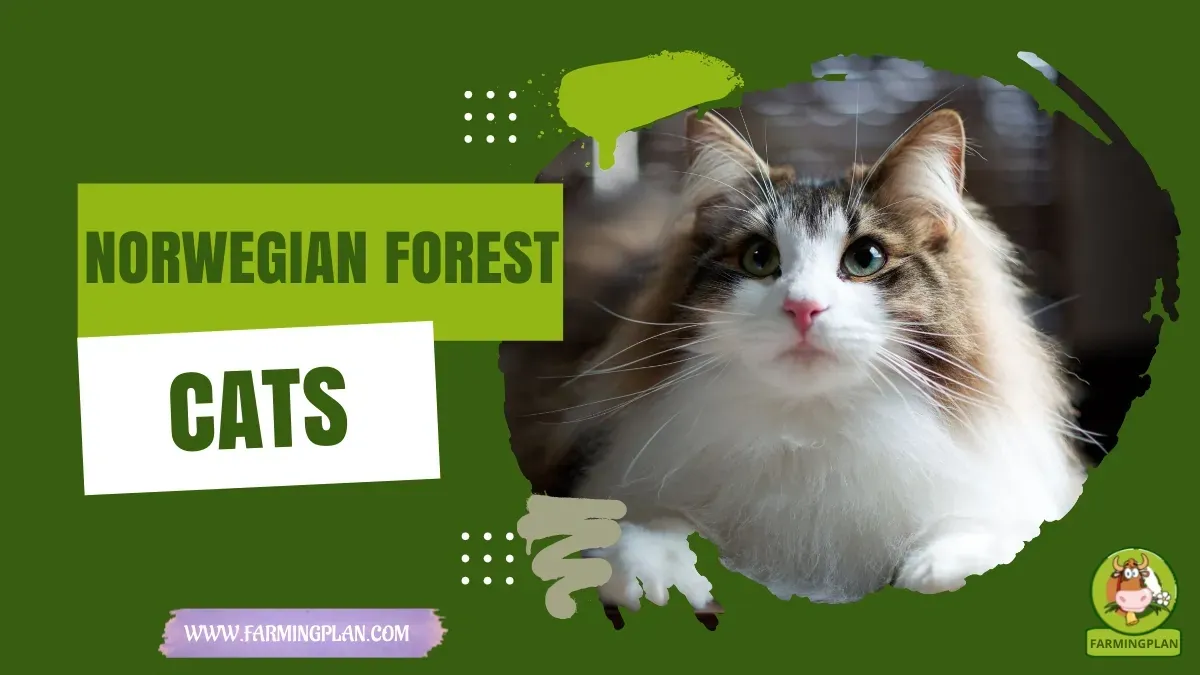
Welcome to my Norwegian Forest Cats sanctuary, where I spend my days raising some of the most beautiful felines on the planet! If you want a majestic pet, Norwegian Forest Cats will steal your heart in an instant. I have worked with these magnificent animals for years, and their thick coats and calm eyes still amaze me every single morning. People often ask me about Norwegian forest cats’ personality traits and why these gentle giants make such amazing family companions.
In this complete guide, I will share my personal experience to help you understand their needs, size, pricing, and daily care. Whether you want to know about Norwegian forest cats price details or simply want to learn about forest cat breeds, I have you covered. Let us dive into the wonderful world of these Scandinavian beauties together! Knowing their wild background helps me design the perfect living spaces for my own cats at home.
| Attribute / Metric | Specification & Benchmark |
|---|---|
| Classification & Class | Feline / Working Barn & Homestead Companion (Felis catus) |
| Primary Production Focus | Natural Biological Rodent & Feed Store Pest Control |
| Productivity / Performance Yield | Reliable pest abatement for granaries, coops, and haylofts |
| Mature Benchmark Weight / Size | Males: 10–16 lbs (4.5–7.3 kg) | Females: 8–12 lbs (3.6–5.5 kg) |
| Temperament & Behavior | Independent hunter, affectionate with caretakers, agile |
| Climate & Environmental Hardiness | Hardy with insulated barn quarters and fresh water |
| Management & Homestead Rating | Beginner to Intermediate Friendly |
History & Origin of Norwegian Forest Cats
I still remember the first time I researched the deep background of this ancient Viking breed. These stunning cats hail from the cold forests of Norway, where they survived harsh winters for hundreds of years. Local folklore describes them as fairy cats that could climb sheer rock faces that other animals could not touch. Norse mythology even claims that Freya, the goddess of love and beauty, pulled her chariot with two large white forest cats! Farmers and sailors cherished them because they hunted mice and kept food stores safe from pests. Agricultural producers frequently evaluate their homestead utility alongside reliable stock like Siberian Cats.
During the mid-twentieth century, the breed almost disappeared completely due to crossbreeding in rural Scandinavian towns. I always tell new breeders that cat enthusiasts in Norway saved the breed just in time through careful conservation programs. King Olav V officially named them the national cat of Norway, which boosted their popularity across Europe and North America. Today, feline associations all over the world recognize their rich history and natural beauty.
Characteristics of Norwegian Forest Cats
When visitors walk into my cattery, they immediately notice the impressive Norwegian Forest Cat size and sturdy frame. These animals sport a triangular head shape, large almond eyes, and tufted ears that look just like a wild lynx. Their double coat features a waterproof outer layer and a dense undercoat designed to block freezing winds. I love watching their glorious neck ruff fluff up during the chilly autumn months. Their long legs and heavily furred paws allow them to walk easily over deep snow banks without sinking.
Many potential owners ask me: Which is bigger, a Maine Coon or a Norwegian Forest cat? While both belong to large forest cat breeds, Maine Coons generally weigh a bit more and possess longer bodies. Male Wegies usually weigh between 12 to 20 pounds, while females remain slightly smaller at 8 to 18 pounds. Their coats come in almost every pattern imaginable, ranging from solid white and deep black to vibrant red tabby patterns. Their bushy tails are absolute masterpieces, often measuring as long as their entire bodies from hips to shoulders.
Nature and Family Temperament of Norwegian Forest Cats
I often get calls from families asking: Are Norwegian Forest cats friendly with young kids and other pets? I can tell you from my personal experience that they possess some of the sweetest temperaments in the entire animal kingdom. They love spending time near their human family without constantly demanding undivided attention. My cats will follow me from room to room, sitting quietly on a chair while I work on my daily farming tasks. They show incredible patience with children and interact calmly with friendly dogs.
People also curious about Norwegian forest cats’ personality traits often wonder if these cats feel wild or aggressive. In truth, they act like gentle softies who retain a playful spark well into their senior years. They enjoy interactive puzzle toys, high climbing towers, and simple games of fetch across the living room floor. Unlike many vocal cat breeds, Wegies communicate through soft chirps, purrs, and quiet trills when they want affection. They welcome guests at the front door with open curiosity rather than hiding under the bed like other cats.
Food & Diet of Norwegian Forest Cats
Feeding a giant cat breed requires extra attention to nutrition, high protein content, and healthy calorie intake. I feed my cats high-quality meat proteins like chicken, turkey, salmon, and beef to maintain their muscle tone. Because these big cats grow slowly over five years, they need proper mineral balances to build strong bone structures. You must avoid cheap foods packed with corn fillers, artificial additives, soy, and excessive carbohydrates. Clean water must remain available at all times, as proper hydration prevents kidney issues later in life.
I always monitor food portions carefully because overweight cats suffer from joint strain and reduced mobility. You should divide their daily food intake into two or three controlled meals rather than leaving food out all day. Offer raw or cooked meat treats occasionally, but keep human table scraps away from their food bowls entirely. Avoid toxic items like onions, garlic, chocolate, grapes, and dairy products that cause severe stomach upset. A balanced diet keeps their magnificent fur coat shiny, thick, and completely free of matting.
Usage and Role in Norwegian Forest Cats
Throughout history, these cats worked hard as pest controllers on rural Scandinavian homesteads and wooden trading ships. Today, my cats focus primary energy on being wonderful companions, emotional support pets, and championship show animals. Their calm demeanor makes them ideal candidates for therapy work in nursing homes and local community centers. They adapt beautifully to large rural homesteads or cozy city apartments as long as you provide enough vertical space.
If you raise them on a farm like I do, their natural hunting instincts keep barn spaces free from rodents. However, I always advise keeping them indoors or providing a secure outdoor cat enclosure called a catio. This protects their luxurious coat from burrs and guards them against dangerous wildlife or traffic hazards. Show judges praise them for their wild appearance, balanced proportions, and serene attitude on the exhibition table. No matter their main role in your house, they fill every day with warmth and quiet friendship.
Special Features of Norwegian Forest Cats
Client consultations always start with a common question: What is special about Norwegian Forest Cats compared to normal domestic breeds? My absolute favorite trait involves their incredible climbing skill, backed by extra strong back legs and sturdy paws. They can climb straight down tree trunks headfirst, a rare feat that almost no other domestic cat can pull off! Their double layer waterproof coat naturally repels water drops, heavy snow, and harsh outdoor elements effortlessly.
Another common question from curious pet lovers is: Do Norwegian Forest cats like water or swimming pools? Thanks to their moisture-resistant fur, many of my cats love playing with dripping faucets and splashing in shallow water bowls! Their rare combination of wild physical strength and gentle indoor manners sets them far apart from other breeds. They mature very slowly, taking up to five full years to reach their complete physical size and coat density. This extended kittenhood keeps them playful, curious, and endlessly entertaining for many years.
Health Issues & Prevention of Norwegian Forest Cats
Keeping your cat healthy requires regular vet checkups, timely vaccinations, and proactive care strategies from day one. Norwegian Forest Cats generally enjoy robust health, but they can inherit specific genetic conditions that require careful monitoring. Hypertrophic Cardiomyopathy, a heart muscle condition, affects several large cat breeds across the globe today. I always test my breeding stock for Glycogen Storage Disease Type IV, a rare metabolic disorder found in this breed.
Hip dysplasia can also affect these heavy cats, leading to joint pain if they carry excess body weight. Brush their dense fur at least twice a week to prevent severe matting and minimize dangerous hairballs. Schedule annual veterinary dental cleanings to protect their gums and teeth from painful bacteria buildup over time. Keep their litter boxes clean and place them in quiet areas so your cat feels comfortable using them daily. Proactive care ensures your furry friend stays happy and active for up to fifteen long, joy-filled years.
Pet Owner Care Guide of Norwegian Forest Cats
Raising a healthy Wegie brings endless rewards to your home. Here is my complete, step-by-step care system to help your new feline friend thrive from kittenhood to their senior years.
Step 1: Setting Up Your Home Environment
Before bringing your new companion home, you must prepare a safe, comfortable, and stimulating indoor environment. Purchase tall, sturdy cat trees that can safely support a twenty-pound animal without tipping over during play. Place soft bedding near warm windows so your pet can enjoy sunny spots while bird watching outside. Set up multiple large litter boxes in quiet locations around your home, ensuring easy access on every floor level. Scratching posts made of tough sisal rope will keep their sharp claws healthy while protecting your indoor furniture.
Step 2: Establishing a Nutrition and Hydration Schedule
Set up a consistent feeding routine by offering measured food portions at the same times every morning and evening. Place food and water bowls far away from litter boxes to respect your cat’s natural hygiene instincts. I strongly recommend using wide stainless steel or ceramic dishes to prevent whisker fatigue during mealtime. Consider installing a running water fountain because many Wegies prefer drinking flowing water over still dishes. Monitor their weight every month using a digital scale to ensure they maintain a lean, healthy body shape.
Step 3: Master the Grooming and Maintenance Routine
Establish a simple grooming schedule by brushing your cat’s thick coat twice each week using a metal comb. Pay special attention to the soft hair under their legs and around their neck ruff where mats form easily. Increase your brushing sessions to daily routine during the spring season when they shed their heavy winter coat. Trim the tips of their claws every three weeks using specialized pet nail clippers to prevent painful snags. Check their ears weekly for dirt, wiping them clean with a damp cotton ball soaked in vet-approved cleaner.
Step 4: Providing Daily Exercise and Brain Games
Keep your giant cat active by engaging them in interactive play sessions for twenty minutes every single day. Use feather wands, laser toys, and small plush mice to stimulate their natural Viking hunting instincts. Provide vertical climbing shelves so your pet can scale walls safely without knocking over delicate home decor items. Rotate their toys every week to keep their smart minds curious and eager to explore new challenges. Daily exercise prevents boredom, reduces unwanted behavioral problems, and keeps their strong muscles in peak condition.
Expert Tips for Forest Cat Owners of Norwegian Forest Cats
- Invest in heavy-duty climbing trees: Standard cat trees wobble under the weight of a full-grown twenty-pound Wegie.
- Brush their fur regularly from kittenhood: Get your kitten used to metal combs early so grooming stays stress-free.
- Provide water fountains: Wegies love running water, and fountains encourage them to drink more fluids daily.
- Keep them indoors or use catios: Protect their long fur coats from outdoor dirt, parasites, and safety hazards.
- Use wide litter boxes: Standard litter pans feel too cramped for these large Scandinavian forest cat breeds.
- Schedule regular vet heart checks: Ask your veterinarian to screen for HCM to catch heart issues early.
- Rotate interactive toys weekly: Mental stimulation prevents destructive scratching on your carpet and wooden furniture.
FAQs
Are Norwegian Forest Cats rare in North America?
Yes, they remain relatively rare compared to domestic short-haired cats and other common purebred breeds. Finding reputable breeders often requires joining waiting lists for upcoming seasonal litters. Their population continues to grow as more pet lovers discover their gentle nature and beautiful coats.
How much does a Norwegian Forest Cats cost from a reputable breeder?
Most buyers wonder about Norwegian forest cats price ranges before starting their search for a kitten. A purebred kitten from an ethical breeder typically costs between $900 and $2,500 depending on pedigree. Show-quality cats or rare color lines can command higher prices in the current pet market.
What cat costs $100,000 in the luxury pet market?
The Ashera cat holds the record as the most expensive cat breed, selling for up to $100,000. Breeders create this extremely rare hybrid by crossing African Servals, Asian Leopards, and domestic cats. Norwegian Forest Cats cost much less while offering superior warmth, affectionate personalities, and easy care.
Where can I find Norwegian forest cats for sale safely?
You should locate Norwegian forest cats for sale through official breed registries like TICA or CFA. Ethical breeders provide health guarantees, genetic testing papers, and complete vaccination records for every kitten. Avoid buying kittens from backyard breeders or shady online classified ads without verified credentials.
How do I manage shedding during spring coat changes?
Increase your brushing frequency to once a day using a steel comb and a slicker brush tool. Feed high-quality salmon oil supplements to keep their skin hydrated and reduce excess hair shedding. Regular grooming sessions catch loose fur before it ends up on your rugs and living room sofa.
Conclusion
Bringing a Norwegian Forest Cat into your home fills your life with wild beauty, quiet companionship, and pure joy. These ancient Viking companions combine impressive physical size with a sweet, friendly temperament that fits seamlessly into family living. By offering high-quality protein, regular grooming, and plenty of vertical space, your cat will stay healthy for years to come. I have loved every single moment spent raising these magnificent creatures on my farm, and I know you will love them too. If you are ready to welcome a gentle giant into your life, reach out to an ethical breeder today or share this complete guide with fellow cat lovers in your community!