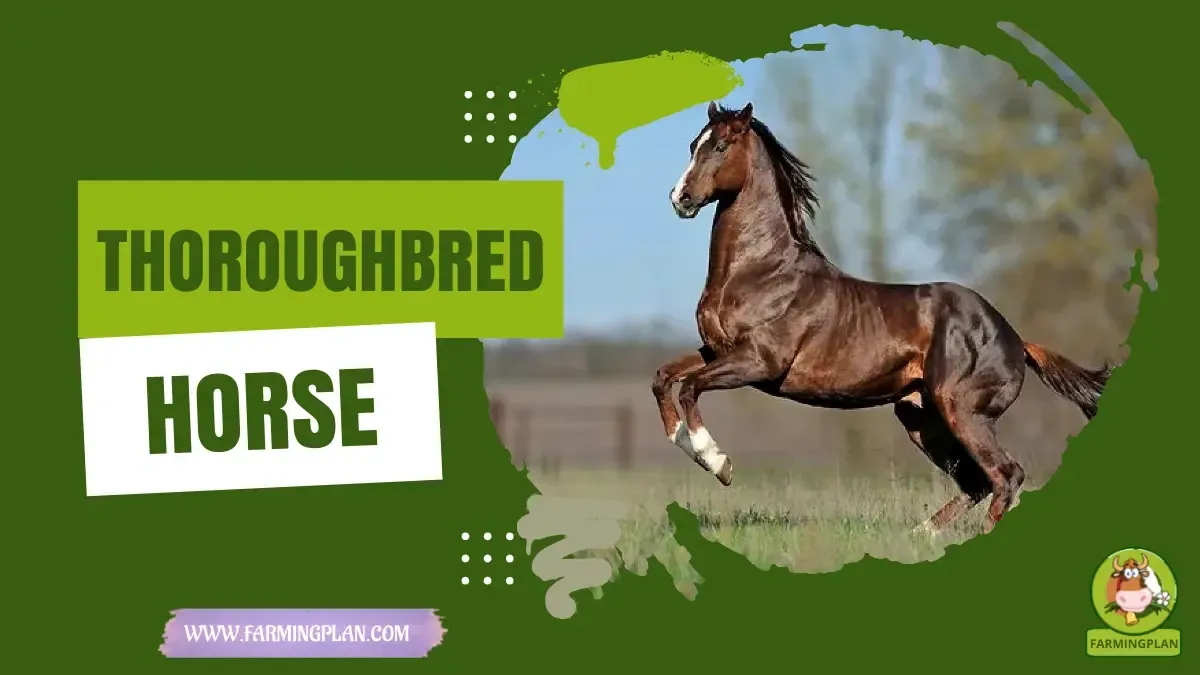
Welcome to my complete guide where I share my lifelong passion and practical insights on the ultimate Thoroughbred horse! As a farm specialist who has spent decades working with elite racehorses, mares, and stallions, I know how magical these incredible runners are on and off the racetrack. Whether you are searching for a Thoroughbred horse for sale, researching a Thoroughbred horse pedigree, or looking at a Thoroughbred horse face, I am here to help you understand their world.
We will look into their history in England and America, explore famous sire lines like Herod, Lexington, Danzig, and Prospector, and unpack Bruce Lowe family classifications from 1-i to B1-B26. We will also cover speed statistics, Average Earnings Index (AEI), Average Winning Distance (AWD), TrueNicks, Dosage Profile metrics, and health care to keep your animal healthy, strong, and sound.
| Attribute / Metric | Specification & Benchmark |
|---|---|
| Classification & Class | Equine (Equus caballus) |
| Primary Production Focus | Heavy Farm Draft Work, Logging & Agricultural Traction |
| Productivity / Performance Yield | Substantial tractive draft power & reliable working longevity |
| Mature Benchmark Weight / Size | 1,700–2,400+ lbs (770–1,100 kg) | Height: 16–18+ Hands |
| Temperament & Behavior | Docile 'Gentle Giant', steady under harness, willing worker |
| Climate & Environmental Hardiness | Cold-hardy with run-in shelter; adaptable with proper feed |
| Management & Homestead Rating | Beginner to Intermediate Friendly |
History & Origin Of Thoroughbred Horse
The history of this magnificent breed began in 17th and 18th-century England. Breeders crossed native English mares with three famous oriental stallions: the Byerley Turk, the Darley Arabian, and the Godolphin Arabian. These foundation sires created offspring built for unbelievable speed, stamina, and athletic ability. As a farm specialist, I love studying the General Stud Book (GSB) and historical texts like F.M. Prior’s records to trace how these early matings shaped modern racehorses across England, America, Australia, Japan, Argentina, and Poland. Experienced handlers often compare their conformation and working temperament with versatile breeds like Paint Horse and Morgan Horse and Andalusian Horse Care Made Easy.
The Evolution of Modern Sire Lines
Over the generations, selection focused heavily on athletic success on the track, leading to famous classic races like the Derby, Oaks, and St. Leger. Key foundation mares, including the Barb Mare lines, Bonny Lass, Queen Bertha, Ellen Horne, and Rouge Rose, established powerful maternal families. Prominent breeders like Federico Tesio, Kazimierz Bobinski, and John E. Madden revolutionized breeding theories. Today, every registered runner traces back to these foundational sire lines and classic family strains.
Characteristics Of Thoroughbred Horse
When you look closely at a Thoroughbred horse, you immediately notice incredible athletic quality and refined strength. They usually stand between 15.2 and 17 hands high with a slim, muscular build, deep chest, and well-angled shoulders. Their short back and long legs give them vast stride length and explosive speed. You will see coat colors ranging from bay, chestnut, brown, and black to gray, along with rare variations like a white Thoroughbred horse.
Genetics, Conformation, and Varieties
Understanding conformation is critical when evaluating a Thoroughbred horse face, neck set, and bone structure for long-term soundness. Variations exist depending on regional breeding programs in America, London, Canberra, or Japan. Researchers use Equine mtDNA Variation and animal genetics to study bloodlines, inbred animals, and sire line statistics. This genetic research helps breeders select candidates that balance extreme speed with physical durability.
Nature/Temperament Of Thoroughbred Horse
These animals are famous for their fiery personalities and massive hearts. Breeders refer to them as hot-blooded horses because they react quickly to their environment and possess intense energy. I always tell new owners that their spirit is not a flaw; it is the exact engine that makes them winning champions on the racetrack! They respond best to calm, confident handlers who understand how to guide their enthusiasm.
Suitability for Owners and Riders
While their keen intelligence makes them eager learners, their high energy means they require experienced handlers. With patience and consistent training, these former racehorses transition beautifully into second careers. They excel in show jumping, dressage, eventing, and pleasure riding. Once you build a strong bond of trust, their loyalty and willingness to work will amaze you every single day.
Food & Diet Of Thoroughbred Horse
Feeding a high-energy animal requires a well-planned nutrition program. I feed my high-performance horses top-quality grass hay, such as timothy or orchard grass, alongside carefully balanced grain rations. Their diet must contain appropriate protein levels, essential minerals, and clean water to support muscle recovery and digestion. High-grain diets require special attention to prevent digestive upset.
Feeding Dos and Don’ts
Always feed your animals on a consistent daily schedule and divide grain into multiple small meals. Provide free-choice clean water and high-quality forage at all times. Never feed dusty or moldy hay, and avoid sudden changes in their feed menu. Adding omega-3 fatty acids and joint supplements keeps their coat shiny and supports healthy cartilage.
Usage/Purpose Of Thoroughbred Horse
The primary purpose of this breed has always been competitive racing. Breeders evaluate criteria like Average Earnings Index (AEI), Average Winning Distance (AWD), Dosage Profile, and TrueNicks ratings to pair stallions and broodmares. Sports bettors and breeders analyze dosage profile statistics, nick ratings, and pedigree books to calculate the probability of success in classic races like the Kentucky Derby.
Versatile Second Careers and Uses
Beyond the track, these versatile animals excel in almost every equestrian discipline. Retired racehorses find rewarding new lives as show jumpers, polo ponies, fox hunters, and gentle trail companions. Their athletic nature and sharp mind make them incredible partners for riders who want a versatile, hardworking companion on the farm.
Special Features Of Thoroughbred Horse
The defining special feature of this breed is pure, explosive speed. They can reach running speeds over 40 miles per hour while maintaining smooth, ground-covering strides. Their large heart and efficient cardiovascular system deliver massive oxygen flow to their muscles during intense physical exertion. Monitor weight changes closely and adjust forage rations whenever activity levels shift.
Deep Pedigree Heritage and Pedigree Analysis
Another unique quality is the rich historical documentation behind every single animal. Systems developed by Bruce Lowe, William Allison, Toru Shirai, and Zamoyski classify families into specific numbered lines like Family 1, 1-i, or B1-B26. Modern experts use computer statistical analysis, pdf facsimiles of ancient stud books, and published works from Hill, Wicks, and Napier to study nick success rates, sire lines, and bloodstock quality.
Health Issues & Prevention Of Thoroughbred Horse
Due to their intense physical drive and selective breeding, these animals can be prone to specific health issues. Exercise-induced pulmonary hemorrhage, gastric ulcers, and joint stress are common concerns. Foot problems, such as thin hoof walls, and tendon injuries also require vigilant monitoring during heavy training regimes. Preventive care starts with a solid foundation of routine care. I schedule quarterly dental checkups, regular farrier trims every six weeks, and strict deworming protocols. Keeping high-grade forage available reduces gastric ulcer risks, while daily turnout promotes healthy joint movement and mentally relaxes your animal.
Step-by-Step Pet Owner Care Guide Of Thoroughbred Horse
Taking proper care of your animal requires a disciplined daily routine, correct farm infrastructure, and thoughtful management. Following a structured step-by-step care plan ensures your horse stays physically sound, mentally engaged, and fully thriving on your property. Ensure your turnout paddocks have sturdy shelter from harsh sun, wind, and rain.
Step 1: Barn Setup and Housing Configuration
Setting up a safe environment is your very first step. Build a roomy, well-ventilated stall measuring at least 12 by 12 feet to give your animal space to rest comfortably. Use clean, dust-free wood shavings for bedding to protect their respiratory system and keep joints cushioned. Inspect all fencing regularly, using wood, PVC, or smooth wire instead of barbed wire to prevent accidental injuries.
Step 2: Customizing the Daily Feeding Schedule
Establish a strict daily feeding routine that aligns with your horse’s workload and body condition score. Divide daily grain into two or three small feeds to promote proper digestion and reduce ulcer risks. Offer free-choice, high-quality grass hay throughout the day to keep their digestive tract moving continuously. Always maintain fresh, clean, temperature-regulated water in stalls and pasture troughs.
Step 3: Exercising and Mental Enrichment
Regular physical movement keeps high-energy animals calm, healthy, and happy. Provide daily pasture turnout for at least four to six hours so your animal can move freely and socialize with pasture mates. Design an exercise routine that includes lunging, flatwork, or trail riding five days a week to maintain cardiovascular fitness. Rotate turnout areas to keep pastures fresh and offer enrichment toys or slow-feeder hay nets to prevent stall boredom and stable vices.
Step 4: Daily Grooming and Hoof Maintenance
Daily grooming builds a strong bond while keeping your animal’s coat and skin in peak condition. Use a curry comb to loosen dirt, followed by a soft brush to remove dust and bring out natural coat oils. Pick out hooves daily before and after exercise to remove stones, mud, and manure. Schedule a professional farrier every five to six weeks for precise shoeing or balancing, as thoroughbred hooves need consistent professional attention.
Step 5: Veterinary Wellness and Disease Prevention
Partnering with a skilled equine veterinarian ensures your animal stays healthy year-round. Establish a core vaccination schedule covering tetanus, rabies, West Nile virus, and equine encephalitis. Perform regular fecal egg counts to create a targeted deworming plan rather than guessing with chemical treatments. Arrange annual floating visits with an equine dentist to file sharp enamel points and keep chewing surfaces comfortable.
Expert Tips & Best Practices for Thoroughbred Horse
Proven Strategies for Long-Term Success
- Prioritize Forage First: Keep high-quality hay in front of your animal to prevent gastric ulcers and maintain digestive peace.
- Track Pedigree Metrics: Study Bruce Lowe family numbers, AEI statistics, and Dosage Profiles when planning any mating or purchasing bloodstock.
- Invest in Custom Farrier Care: Work closely with a skilled farrier to support thin hoof walls and maintain proper palmar angles.
- Maintain Calm Handling: Use soft hands, steady body language, and positive reinforcement to soothe hot-blooded temperaments.
- Incorporate Daily Turnout: Turn your animal out with compatible mates to encourage mental relaxation and natural joint movement.
- Monitor Soundness Early: Address subtle heat, swelling, or lameness immediately before minor stress turns into a serious injury.
FAQs
What are thoroughbred horses used for?
They are primarily used for professional horse racing on flat tracks and steeplechase courses worldwide. Outside racing, they excel in show jumping, dressage, eventing, polo, and general pleasure riding. Their athleticism makes them easy to retrain for many secondary careers.
What is the average Thoroughbred horse price?
Prices vary widely based on pedigree, age, conformation, and athletic potential. An off-track prospect might cost between $1,000 and $10,000, while proven racehorses or elite yearlings can fetch hundreds of thousands or even millions of dollars at auction.
How do I check a Thoroughbred horse pedigree?
You can search official stud book databases, such as The Jockey Club or Equibase, using the registered name or lip tattoo number. These records show sire lines, family numbers, racing statistics, and dosage profiles across generations.
What is a white Thoroughbred horse?
A white individual carries a rare genetic mutation of the KIT gene that creates a solid white coat over pink skin. Unlike gray horses that darken at birth and lighten over time, true white horses are born white and stay white throughout their lives.
How long does a Thoroughbred horse live?
With proper nutrition, regular veterinary attention, and good farm management, they typically live between 25 and 30 years. Many retired racehorses enjoy active secondary careers well into their twenties.
Conclusion
Owning and managing a Thoroughbred horse brings incredible joy, excitement, and deep personal satisfaction to any farm specialist or equine lover. Throughout this article, we covered their rich heritage from English foundation sires like Herod to modern American champion lines like Prospector and Danzig. We explored essential selection criteria including Bruce Lowe family lines, Dosage Profile metrics, AEI statistics, and TrueNicks ratings. We also reviewed vital care requirements spanning nutritional balance, turnout routines, hoof maintenance, and preventive veterinary health. By combining this deep historical understanding with practical daily management, you can keep your animal healthy, happy, and performing at peak potential.