

⚡ Thuoc Nhieu Pig at a Glance: Key Specifications & Benchmarks
| Native Breed Designation | Thuoc Nhieu Pig (Lợn Thuộc Nhiêu); developed in Tiền Giang Province, Mekong Delta, Vietnam |
| Genetic Composite Origin | Established composite cross of native Bo Xu swine with French Large White / Yorkshire stock |
| Climate Hardiness Adaptation | Tropical river delta tolerance: thrives in high humidity, wet seasons, and heat |
| Primary Agricultural Purpose | Smallholder pork production, high-fertility maternal dam line, byproduct conversion |
| Mature Boar Weight Range | 310 – 390 lbs (140 – 175 kg) with muscular shoulders and sturdy skeletal frame |
| Mature Sow Weight Range | 265 – 330 lbs (120 – 150 kg) with lengthy body, spacious belly, and docile temperament |
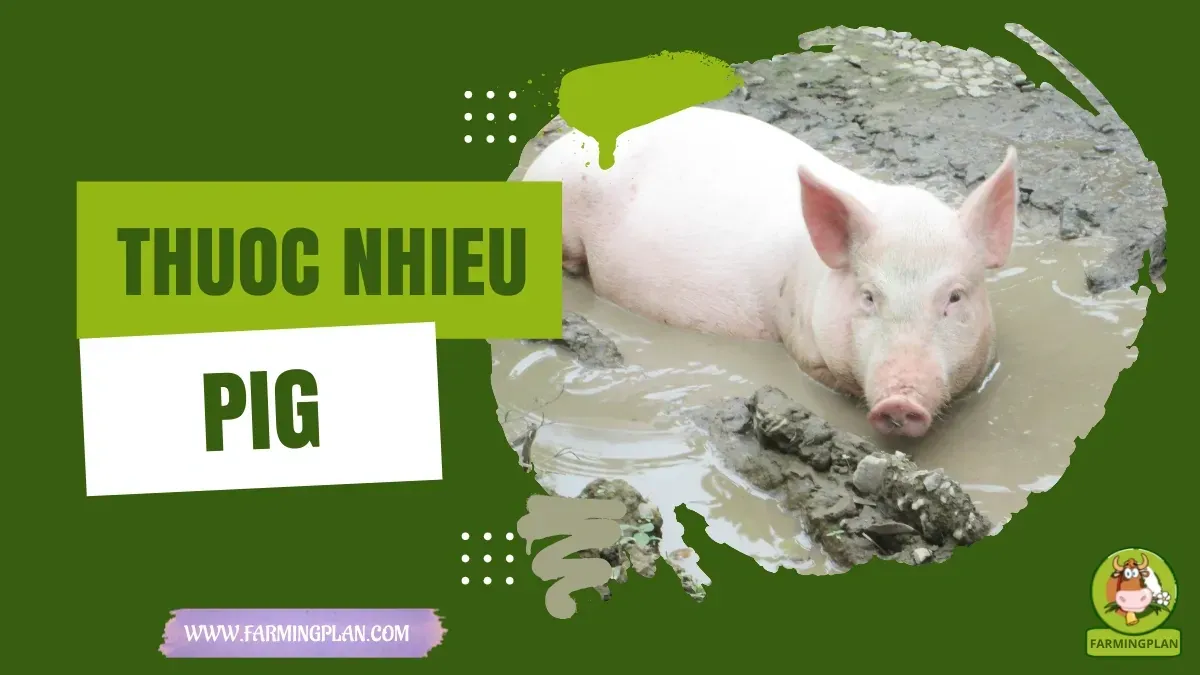
| Coat & Color Pattern | Uniform creamy white coat overlying pink skin; occasionally small dark spots on rump |
| Ear Conformation Trait | Medium-sized forward-leaning semi-lop ears with sharp alert responsiveness |
| Average Farrowing Litter Size | 10 to 12 healthy piglets per kindle; sustained milk yield and high weaning survival |
| Functional Teat Matrix | 12 to 14 prominent, well-placed teats ensuring balanced piglet nutrition |
| Roughage Digestion Efficiency | Exceptional conversion of aquatic weeds, rice bran, cassava waste, and water spinach |
The Thuoc Nhieu pig (Lợn Thuộc Nhiêu) holds an essential position in the agricultural history of southern Vietnam. Developed across the fertile alluvial waterways of the Mekong Delta—specifically centered in Tiền Giang and neighboring delta provinces—this resilient white composite swine was intentionally bred to combine the high prolificacy and byproduct digestive power of indigenous Vietnamese pigs with the superior body frame and growth rate of European Large White stock. Monitoring water quality and mineral balance directly benefits thuoc nhieu pig vitality.
For nearly a century, the Thuoc Nhieu pig has powered smallholder farm economies across the delta. Unlike pure exotic breeds that suffer from heat exhaustion and demand costly commercial cereal rations, the Thuoc Nhieu thrives in tropical river delta environments, converting locally abundant freshwater weeds, rice bran, and cassava residues into nourishing pork.
As modern sustainable farming emphasizes agroecological resilience, the Thuoc Nhieu is gaining renewed prominence. Smallholders, family farm operations, and pasture-based producers practicing regenerative pig farming prize the breed for its gentle disposition, strong disease resistance, and reliable maternal farrowing performance. Practical hands-on husbandry ensures consistent results when raising thuoc nhieu pig.
Mekong Delta Roots and the Genesis of the Bo Xu-Yorkshire Cross
The development of the Thuoc Nhieu pig dates back to the 1930s in the Thuộc Nhiêu region of Tiền Giang Province in southern Vietnam. Delta farmers bred indigenous Bo Xu and Ba Xuyen sows to imported French Large White and Yorkshire boars brought to Indochina during the colonial period.
Over several decades of rigorous farmer selection, a stabilized composite landrace emerged that maintained the white coloration and longer body frame of the Yorkshire alongside the heat resilience, docile mothering instincts, and high-roughage digestion of indigenous stock. By the 1950s, the Thuoc Nhieu had established itself as the dominant commercial swine breed throughout the Mekong Delta. Early intervention at the first sign of lethargy protects overall thuoc nhieu pig flock or herd health.
With the influx of modern industrial hybrid genetics in recent decades, the purebred population of Thuoc Nhieu pigs faced significant contraction. Today, the Vietnamese National Institute of Animal Science (NIAS) and regional agricultural stations operate dedicated gene conservation programs to maintain pure genetic nucleuses for smallholder farming development.
Breed Conformation, Anatomical Standards, and Physical Conformation
The Thuoc Nhieu pig is a medium-sized swine presenting a dual-purpose meat-and-lard conformation. Mature boars weigh between 310 and 390 lbs (140 to 175 kg), while mature sows weigh between 265 and 330 lbs (120 to 150 kg). The frame is balanced, supported by sturdy limbs and well-formed hooves capable of navigating muddy delta soils. Structured culling and biosecurity protocols strengthen thuoc nhieu pig genetic quality.
The coat is predominantly creamy white overlying light pink skin, though occasional individuals may exhibit small, isolated dark patches near the rump or ears inherited from ancestral native stock. The bristles are medium in length and lie smoothly against the skin.
The head features a medium-length snout with a straight or slightly concave facial profile. The ears are medium in size, carried forward and semi-erect or slightly drooping. The backline displays a mild swayback curve, paired with a spacious abdominal barrel that accommodates large litters without placing undue stress on the maternal skeletal frame. Maintaining clean feeders and sanitized equipment supports sustainable thuoc nhieu pig care.
Temperament, Maternal Care, and River Delta Foraging
Thuoc Nhieu pigs are celebrated for their exceptionally docile, friendly, and manageable disposition. Having lived in close contact with farming households across delta waterways for generations, they show complete comfort around human handlers, making daily feeding, pen cleaning, and health assessments straightforward.
Maternal behavior in Thuoc Nhieu sows is exemplary. Sows display calm demeanor during farrowing and maintain attentive care over their piglets. Their slow, deliberate movements within farrowing pens keep piglet crushing losses remarkably low, even in simple unconfined floor pens bedded with rice straw. Consistent daily observation helps keepers spot early changes in thuoc nhieu pig health and behavior.
In outdoor runs and paddock enclosures, Thuoc Nhieu pigs exhibit steady, inquisitive foraging behavior. They eagerly consume aquatic vegetation, wild greens, and fallen orchard fruit, grazing harmoniously without aggressive dominance fighting within social herd groups.
Nutritional Strategies: Byproduct Utilization, Forage Rations, and Feeding
The digestive anatomy of the Thuoc Nhieu pig is exceptionally adapted for fermenting dietary fiber and agricultural byproducts. Thanks to its native ancestry, the breed can derive a substantial portion of its daily caloric maintenance from aquatic plants and crop residues that would cause gastrointestinal distress in industrial swine. Clean housing, fresh water, and balanced nutrition remain essential for thuoc nhieu pig productivity.
A balanced smallholder ration combines chopped water spinach (kangkong), ensiled sweet potato leaves, and duckweed mixed with fine rice bran and broken rice. Adding a protein source such as soybean meal, fish meal, or brewery spent grains achieves a balanced 14% crude protein ration that supports steady growth without excessive lard accumulation.
Lactating sows should be fed a nutrient-dense 16% protein diet enriched with dicalcium phosphate, essential minerals, and abundant fresh green forage. Providing unrestricted access to clean, cool drinking water is critical to sustain heavy lactation volumes in humid tropical weather.
Housing Infrastructure, Ventilation, and Tropical Heat Management
Housing for Thuoc Nhieu swine in tropical climates must prioritize maximum natural airflow and protection from intense monsoon rains. Open-sided barn structures with raised thatched or corrugated roofs and broad overhangs provide ideal shade while encouraging continuous cross-ventilation. Tracking feed intake and body condition supports long-term thuoc nhieu pig performance.
Elevated slatted concrete or grooved masonry flooring allows manure and wastewater to flush quickly into biogas digesters or composting systems, keeping pens hygienic. In summer, providing outdoor mud wallows or misting sprinkler lines protects pigs from heat stress. Pen layouts comparable to facilities designed for mulefoot pig lots offer excellent models for clean drainage.
Individual sow pens should provide 30 to 35 square feet (2.8 to 3.2 square meters) of covered resting area, with outdoor runs offering an additional 50 to 70 square feet. Sturdy fencing constructed from bamboo rails, timber poles, or galvanized woven wire maintains secure boundaries. Following biosecurity best practices reduces disease risk in any thuoc nhieu pig operation.
Breeding Management, Prolific Farrowing, and Crossbreeding Applications
Thuoc Nhieu pigs exhibit excellent reproductive efficiency and early sexual maturity. Gilts reach puberty at 5 to 6 months of age, with breeding recommended during the third estrus cycle at 7 to 8 months when body weight reaches approximately 180 to 200 lbs (82 to 90 kg).
Litter size averages 10 to 12 vigorous piglets per kindle, with mature sows regularly farrowing 13 or more in later litters. Sows possess 12 to 14 functional teats and generate copious milk, weaning robust piglets at 6 to 8 weeks of age. Seasonal adjustments to shelter and diet keep thuoc nhieu pig thriving year-round.
In commercial terminal crossbreeding systems, purebred Thuoc Nhieu sows are mated with terminal Landrace or Duroc boars. The resulting crossbred market hogs combine the maternal hardiness and heat tolerance of the delta dam with the faster growth and leaner muscling of the sire. Diversifying with pastured swine alongside operations like dairy farming creates a resilient agricultural enterprise.
Estimated Annual Budget & Maintenance Costs (USD)
Thanks to their compact frame, excellent roughage digestion, and low housing capital requirements, operating costs for Thuoc Nhieu pigs are very economical. The following table provides an estimated annual budget per mature breeding sow. Proper record-keeping makes breeding and culling decisions easier for thuoc nhieu pig keepers.
| Budget Category | Operational Input & Specification | Estimated Annual Cost (USD) |
|---|---|---|
| Supplemental Feed & Concentrates | Fine rice bran, broken rice, soybean meal, minerals | $340 – $480 |
| Forage & Aquatic Greens | Water spinach, duckweed, sweet potato vines, cassava waste | $100 – $165 |
| Veterinary & Preventative Care | Deworming treatments, erysipelas vaccines, iron supplements | $60 – $105 |
| Housing Upkeep & Bedding | Timber repairs, thatch/shade net maintenance, trough care | $75 – $130 |
| Fencing & Paddock Drainage | Woven wire upkeep, wallow maintenance, water lines | $65 – $115 |
| Herd Record-Keeping & Tags | Identification tags, breeding logs, registry fees | $40 – $75 |
| Total Projected Cost | Estimated annual maintenance cost per mature breeding sow | $680 – $1,070 |
Producers managing pastured livestock alongside enterprises like raising sheep or heritage poultry achieve optimal byproduct recycling and balanced land stewardship across seasons.
🐖 Thuoc Nhieu Pig Swine Daily Feed Calculator
Calculate daily grower/finisher rations (lbs), monthly 50-lb feed bags, pen space, and water needs for your Thuoc Nhieu Pig pigs.
Frequently Asked Questions (FAQ)
What is the genetic heritage of the Thuoc Nhieu pig?
The Thuoc Nhieu pig is a stabilized composite breed developed in the Mekong Delta by crossing indigenous Bo Xu and Ba Xuyen sows with French Large White and Yorkshire boars, combining tropical hardiness with commercial body conformation.
How many piglets do Thuoc Nhieu sows farrow per litter?
Thuoc Nhieu sows typically farrow 10 to 12 healthy piglets per kindle, with older sows regularly producing 13 or more. Their 12 to 14 functional teats and calm maternal temperament ensure excellent weaning survival rates.
What is the average mature weight of a Thuoc Nhieu pig?
Mature Thuoc Nhieu boars weigh between 310 and 390 lbs (140 to 175 kg), while mature sows weigh between 265 and 330 lbs (120 to 150 kg), representing a medium-sized dual-purpose swine breed.
Can Thuoc Nhieu pigs thrive on low-cost agricultural byproducts?
Yes, Thuoc Nhieu pigs possess an enlarged gastrointestinal capacity that digests water spinach, duckweed, cassava residues, and rice bran efficiently, significantly lowering feed costs compared to commercial breeds.
How does the Thuoc Nhieu pig handle hot and humid delta climates?
Having evolved in the subtropical Mekong Delta, the Thuoc Nhieu pig is naturally adapted to high temperatures and humidity, provided it has access to shade, cross-ventilation, and clean water or wallows for evaporative cooling.
Best Practices for Thuoc Nhieu Husbandry and Herd Management
Successfully raising Thuoc Nhieu swine centers on balancing fibrous green forages with adequate protein and mineral supplementation. Because the breed can deposit subcutaneous fat when fed excess grains, regulating energy intake keeps breeding stock active and productive. Smallholders comparing closely related stock can also review our detailed Welsh Pig guide. Providing adequate space and ventilation prevents common stress issues in thuoc nhieu pig.
Sanitary feeding troughs, clean gravity waterers, and biosecurity protocols modeled on modern livestock infrastructure, including standards seen in poultry equipment and swine handling systems, keep external parasite loads low across seasonal river fluctuations.
Establishing direct marketing channels for heritage delta pork enables producers to command premium prices that reward sustainable husbandry. By preserving verified purebred pedigrees, farmers sustain an irreplaceable Vietnamese livestock resource while operating a profitable swine enterprise. Understanding breed-specific traits helps maximize thuoc nhieu pig longevity and output.
In addition, maintaining detailed breeding records and rotating unrelated boars across family lines prevents inbreeding depression, ensuring long-term maternal fertility and vigorous piglet growth over successive generations.
Investing in certified Thuoc Nhieu breeding stock equips tropical smallholders with a proven, health-resilient foundation for long-term farm productivity and commercial success. Routine preventive care saves time and lowers veterinary costs for thuoc nhieu pig.
Agricultural extension centers in southern Vietnam frequently provide training for smallholders on processing local crop residues into fermented silage. Utilizing ensiled cassava leaves and aquatic greens allows farmers to supply balanced nutrition to Thuoc Nhieu herds while dramatically cutting commercial feed costs.
Coordinating localized vaccination programs against endemic pathogens shields delta herds from disease outbreaks. Farmers who implement sanitary paddock protocols maintain consistent piglet weaning survival and sustainable family farm profitability.
📚Agricultural Reference & Scientific Citations
Standards and physiological data referenced in this guide comply with USDA APHIS Swine Health, FAO Domestic Animal Diversity Information System, and the American Veterinary Medical Association (AVMA).


