As a farming specialist, I have worked with many dairy goats over the years, and the Nubian Goat remains one of my favorite breeds. This remarkable goat combines excellent milk production, friendly temperament, and beautiful appearance. Many farmers choose this breed because it produces rich milk with high butterfat content, making it ideal for cheese, ice cream, yogurt, probiotics, raw kefir, and milk caramels. The breed also adapts well to family farms, homesteads, and commercial dairy operations.
Whether you are interested in Nubian goat weight, Nubian goat milk production, Nubian goat size, Nubian goat female management, or finding Nubian goats for sale, this guide covers everything you need to know. I will share practical experience, proven management methods, feeding strategies, health care tips, breeding information, and step-by-step farming guidance to help you succeed with this outstanding dairy breed.

History & Origin
The story of the Nubian Goat begins in England during the nineteenth century. British breeders wanted a dairy goat that could produce rich milk while adapting to various climates. They crossed native British goats with goats imported from Africa, the Middle East, and India. Breeds such as the Jamnapari played a major role in the development process.
The resulting breed became known as the Anglo-Nubian. The name reflects its mixed heritage. These goats inherited long pendulous lop ears from their eastern ancestors and strong dairy qualities from British goats. Over time, breeders improved milk production, body structure, and temperament through selective breeding.
Global Expansion And Modern Popularity
The breed spread throughout Europe, North America, Africa, and Asia. Today, the Nubian Goat ranks among the most recognized dairy breeds in the world. Organizations such as the American Dairy Goat Association maintain herd-book records and breed standards. In countries like Egypt, researchers studied Zaraibi goat and Egyptian Nubian goats to improve reproductive traits and milk yield.
Modern genetic studies continue to investigate candidate genes such as GDF9 gene, KISS1 gene, DGAT1 gene, PRL gene, lactoferrin gene, α-LA, α-lactalbumin, β-LG, and casein genes. Scientists also use genome-wide association studies and single nucleotide polymorphisms to improve genetic diversity and productivity among small ruminants.
Read More: Acıpayam Sheep: What Is The Best Way To Breed
Characteristics
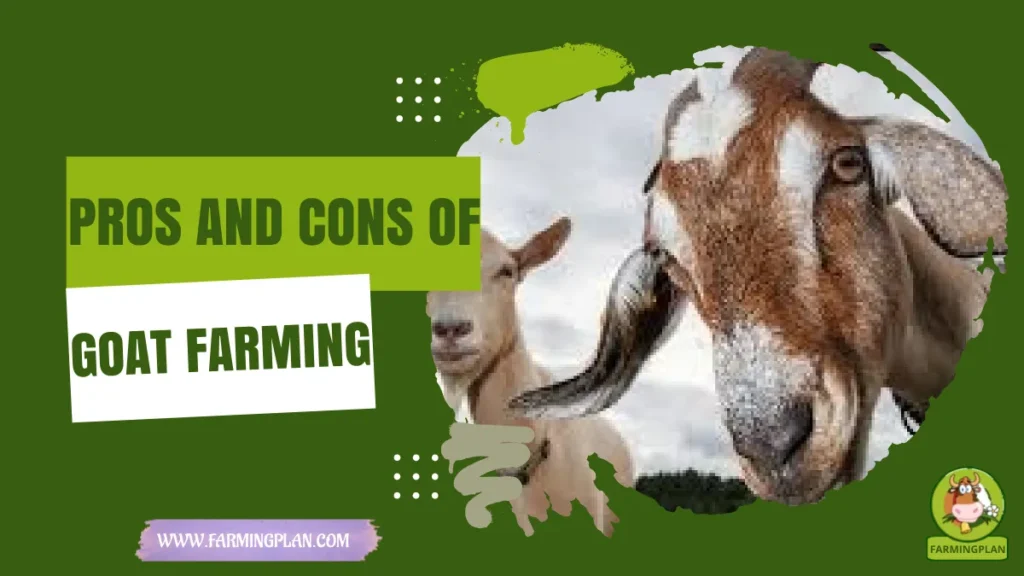
One reason farmers easily recognize this breed is its unique appearance. Full size Nubians possess a distinctive Roman nose, long pendulous lop ears, and a proud stance. Their elegant look often attracts visitors to the farm.
Average Nubian goat weight varies according to sex and management:
- Adult bucks: 135–175 kg (300–385 lbs)
- Adult does: 60–80 kg (135–175 lbs)
- Nubian goat baby kids: 3–5 kg at birth
The breed displays many coat colors and patterns. Black, brown, red, white, cream, and spotted combinations appear frequently.
Body Structure And Dairy Traits
The breed features narrow bodies compared to some meat breeds but maintains strong dairy characteristics. Good animals possess deep barrels, strong legs, and well-attached udders. Their milk contains excellent butterfat percentage and protein content. Many dairy producers compare Nubian milk favorably with Jersey cow milk because of its richness. Typical butterfat content ranges between 4% and 5% or even higher under excellent management.
Milk Production Capacity
Although some breeds produce more volume, Nubians excel in milk quality. Average milk yield ranges from 1.5 to 5 liters daily depending on genetics, feed quality, and lactation stage.
This rich Goat Milk works exceptionally well for:
- Cheese production
- Ice cream
- Yogurt
- Butter
- Raw kefir
- Milk caramels
- Specialty dairy products
Nature & Temperament
Many owners describe Nubians as the “talkative goats” of the dairy world. They communicate frequently and often call out when they want attention, feed, or companionship. I have found them highly social and people-oriented. They enjoy interaction and quickly learn routines. Families often appreciate their playful nature and intelligence.
Herd Dynamics And Social Structure
Like all goats, Nubians thrive in a herd environment. They establish a hierarchy through normal social behaviors such as head-butting and body positioning. Their herd instinct provides security and comfort. Isolated goats often become stressed and noisy. I always recommend keeping at least two goats together.
Suitability For Different Owners
The breed works well for:
- Dairy farmers
- Homesteaders
- 4H dairy goats projects
- Hobby breeders
- Family farms
- Educational farms
Because of their size and energy, owners should provide adequate fencing and exercise areas. Their intelligence makes them entertaining but occasionally mischievous.
Food & Diet
Proper nutrition directly affects milk yield, reproductive performance, and overall health. I always start with high-quality forage as the foundation of the feeding program.
Good feed options include:
- Bermuda hay
- Alfalfa hay
- Mixed grass hay
- Browse plants
- Pasture grasses
- Legume forages
Since goats are herbivores, they naturally prefer browsing shrubs, leaves, and weeds over simply grazing grass.
Feeding Lactating And Growing Animals
Lactating does require additional nutrients to support milk production. I provide balanced grain supplements alongside quality forage.
Essential nutrients include:
- Protein
- Energy
- Calcium
- Phosphorus
- Salt
- Trace minerals
- Fresh water
Clean water remains critical because milk production depends heavily on hydration.
Feeding Dos And Don’ts
Do
- Offer fresh water daily.
- Provide loose goat minerals.
- Store feed properly.
- Rotate grazing areas.
- Monitor body condition.
Don’t
- Feed moldy hay.
- Allow sudden diet changes.
- Overfeed grain.
- Use sheep minerals containing inadequate copper.
- Leave spoiled feed in feeders.
Usage & Purpose
The primary purpose of the Nubian Goat is dairy production. Rich milk with high milk fat percentage attracts farmers who manufacture specialty dairy products. Many artisan cheese makers specifically seek Nubian milk because the butterfat content improves texture and flavor. If you’re considering adding goats to your farm or homestead, the Nubian breed deserves serious consideration.
Breeding And Genetic Improvement
Breeders often use Nubians to improve dairy qualities in crossbreeding programs. Mini Nubian goats result from crossing Nubians with Nigerian Dwarf goats.
Mini Nubians combine:
- Smaller size
- High butter fat
- Good milk yield
- Friendly personality
Meat And Homestead Uses
Although classified mainly as a dairy breed, farmers also utilize goat’s meat from surplus animals. Their larger frame supports dual-purpose production systems. Homesteads appreciate their ability to provide milk, manure, companionship, and educational opportunities.
Special Features
Exceptional Butterfat Content
One feature that separates Nubians from many dairy breeds is their rich milk composition. The butter fat level supports premium dairy processing and specialty food production.
Distinctive Lop Ears And Roman Nose
Few breeds possess such recognizable features. Their pendulous lop ears and convex facial profile create an unmistakable appearance.
Strong Maternal Instincts
Nubian does generally display excellent mothering abilities. They care attentively for kids and often raise twins successfully.
Valuable Genetics And Research Importance
Researchers continue studying reproductive traits, milk protein genes, Bone Morphogenetic Protein Receptor-IB, GDF9, KISS1, DGAT1, and other genetic markers.
These studies help improve:
- Fertility
- Litter size
- Milk composition
- Disease resistance
- Longevity
- Genetic diversity
Health Issues & Prevention
Common Health Problems
Several health concerns can affect Nubian herds.
Common issues include:
- Internal parasites
- Pneumonia
- Mastitis
- Hoof rot
- Enterotoxemia
- Coccidiosis
- Mineral deficiencies
Early detection greatly improves treatment success.
Warning Signs To Watch
I teach farmers to observe animals daily.
Watch for:
- Reduced appetite
- Weight loss
- Coughing
- Nasal discharge
- Limping
- Diarrhea
- Low milk production
- Isolation from herd
Prevention Strategies
A strong prevention plan includes:
- Vaccination programs
- Deworming powder when needed
- Fecal testing
- Clean housing
- Proper nutrition
- Quarantine procedures
- Hoof trimming
- Regular veterinary examinations
Testing programs help identify disease risks before major outbreaks occur.
Step-By-Step Nubian Goat Farming Guide
When beginners ask me how to raise Nubian goats successfully, I always explain that success comes from following a structured system. Good housing, proper feed, regular health checks, and careful breeding management work together to create a productive herd. Many people focus only on milk production, but successful goat farming starts long before the first milking session. Every decision affects animal welfare, milk quality, growth rates, and long-term profitability. The following step-by-step guide reflects methods I use on farms and training projects. If you follow these steps carefully, you can build a healthy herd that produces quality milk and healthy offspring for many years.
Step 1 – Select Quality Breeding Stock
I begin by purchasing healthy animals from responsible breeders with strong herd-book records. Examine body structure, udder quality, feet, legs, and overall health.
Choose animals with:
- Strong dairy genetics
- Healthy parents
- Good milk records
- Proper vaccinations
- Clear eyes and coat
Avoid animals showing signs of illness or poor management history.
Step 2 – Prepare Safe Housing
Build a dry, well-ventilated shelter before bringing animals home. Goats dislike damp conditions.
Housing should include:
- Dry bedding
- Good drainage
- Protection from rain
- Adequate space
- Strong fencing
- Separate kidding area
Clean facilities reduce disease pressure significantly.
Step 3 – Establish A Feeding Program
Create a consistent feeding schedule. High-quality forage should remain the foundation of the diet.
Supply:
- Hay
- Browse
- Minerals
- Fresh water
- Appropriate concentrates
Monitor feed intake and body condition regularly.
Step 4 – Implement Health Management
Develop a preventive health calendar.
Include:
- Vaccinations
- Parasite monitoring
- Hoof trimming
- Record keeping
- Veterinary visits
Daily observation helps detect problems early.
Step 5 – Manage Breeding And Kidding
Monitor estrus signs carefully. Bucks often display flehmen behavior when detecting receptive females. Maintain breeding records and prepare kidding supplies before birth. Provide extra nutrition to pregnant does during late gestation.
Step 6 – Milk Management And Daily Care
Milk on a consistent schedule. Clean equipment thoroughly and maintain excellent hygiene.
Record:
- Milk yield
- Health events
- Feed changes
- Breeding dates
Consistent management produces the best long-term results.
Read More: American Rabbit Amazing Heritage Breed Guide
Expert Tips & Best Practices
Practical Advice From My Farming Experience
- Start with two or more goats instead of one.
- Buy animals from reputable breeders.
- Focus on forage quality before increasing grain.
- Keep detailed farm records.
- Rotate grazing areas regularly.
- Test milk quality periodically.
- Trim hooves every 6–8 weeks.
- Maintain strong biosecurity practices.
- Monitor body condition monthly.
- Join breed associations and educational programs.
- Learn basic first aid for goats.
- Invest in quality fencing.
- Provide shade during hot weather.
- Separate sick animals immediately.
- Select breeding stock based on performance, not appearance alone.
FAQs
What is the average Nubian goat weight?
Adult females usually weigh 135–175 pounds, while mature bucks often reach 300 pounds or more under good management.
How much milk does a Nubian goat produce?
Most does produce between 1.5 and 5 liters of milk daily. Production depends on genetics, nutrition, and stage of lactation.
Are Nubian goats good for beginners?
Yes. Their friendly temperament and adaptability make them suitable for beginners, although their vocal nature may surprise new owners.
What makes Nubian goat milk special?
The milk contains high butterfat and protein levels. This rich composition makes it excellent for cheese, yogurt, ice cream, and other dairy products.
How long do Nubian goats live?
With proper nutrition, health care, and management, many Nubian goats live between 10 and 15 years.
Conclusion
The Nubian Goat combines excellent milk quality, friendly temperament, attractive appearance, and strong adaptability into one impressive package. From its Anglo-Nubian heritage and rich butterfat milk to its value in homesteads, dairy farms, breeding programs, and family operations, this breed offers benefits for both beginners and experienced farmers. With proper feeding, health management, housing, and breeding practices, Nubians can remain productive and healthy for many years. I have seen firsthand how consistent care transforms a small herd into a rewarding and profitable farming venture. Have experience with Nubian goats? Share your thoughts, ask questions, and help other farmers by leaving a comment and sharing this guide with fellow goat enthusiasts.