

⚡ Naked Neck Chicken at a Glance: Key Specifications & Benchmarks
| Scientific Classification | Gallus gallus domesticus |
| APA Breed Standard Class | Miscellaneous / All Other Standard Breeds (AOSB) |
| Mature Rooster Weight | 8.5 lbs (3.9 kg) |
| Mature Hen Weight | 6.5 lbs (3.0 kg) |
| Annual Laying Productivity | 200 to 240 large eggs annually |
| Egg Shell Coloration | Medium to dark brown |
| Cranial Comb Structure | Single medium upright red comb |
| Temperament Benchmark | Gentle, active, curious, easily tamed, non-flighty |
| Daily Dry Feed Intake | 0.26 to 0.32 lbs (120 to 145 grams) per adult bird daily |
| Artificial Incubation Period | 21 days (99.5°F forced air, 50-55% RH increasing to 70% at lockdown) |
The Naked Neck Chicken represents an extraordinary heritage lineage in sustainable North American agriculture, celebrated by commercial producers and homesteaders for combining biological hardiness with productive efficiency. Unlike fragile modern commercial lines engineered solely for intensive confinement, this animal thrives across diverse outdoor systems while demonstrating superior foraging independence and structural resilience. Consistent daily observation helps keepers spot early changes in Naked Neck Chicken health and behavior.
Whether you are establishing a foundation breeding enterprise through our comprehensive heritage chicken farming operations guide or expanding an existing diversified livestock acreage, understanding the specific behavioral instincts, nutritional requirements, and environmental management of the Naked Neck Chicken ensures long-term operational success. Their calm disposition substantially streamlines daily chores and physical handling.
Across variable climate zones in the United States, from humid summer paddocks in the South to freezing northern winter shelters, this breed maintains reliable health and consistent output. Implementing proven management protocols preserves foundational vigor and maximizes your return on livestock investment.
Experienced growers recognize that successful husbandry begins with careful observation of daily feeding rhythms, social hierarchy within the herd or flock, and early subtle indicators of metabolic distress. Prioritizing proactive care over reactive treatment creates a low-stress environment where animals reach their full genetic potential. Clean housing, fresh water, and balanced nutrition remain essential for Naked Neck Chicken productivity.
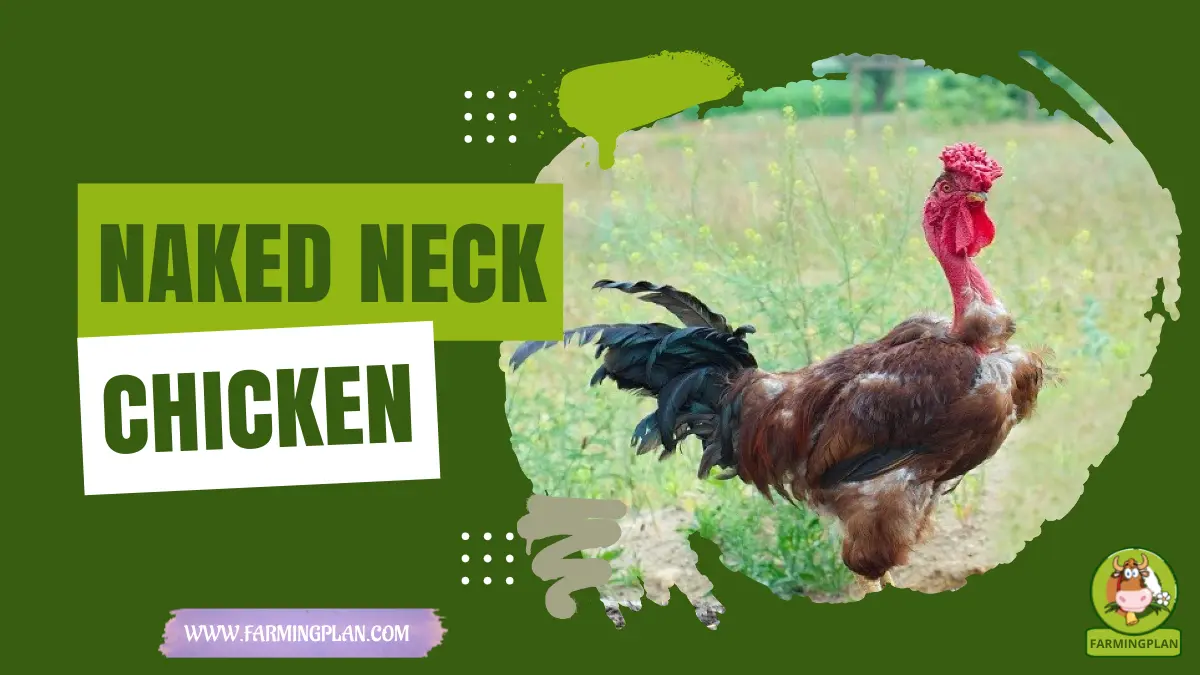
Physical Characteristics & Breed Standards
Evaluating the conformation of the Naked Neck Chicken requires a precise eye for functional balance, structural soundness, and distinct breed indicators. Conformation directly mirrors an animal’s capacity to forage efficiently, resist thermal extremes, and maintain metabolic balance across consecutive production cycles without premature physical degradation.
Conformation Standards & Structural Morphology
Breed standard evaluations prioritize deep rib spring, strong skeletal articulation, and clean muscle attachment along the spine and hips. Extremities must exhibit balanced alignment to prevent joint inflammation during outdoor pasturing. Skin, plumage, or pelt quality reflects overall nutritional status, characterized by natural luster, smooth texture, and dense protective coverage.
Coat Density, Plumage Condition & Functional Adaptations
Physical protection against environmental stress depends heavily on exterior coat or feather integrity. Regular grooming and dust-bathing opportunities allow animals to manage external parasites naturally while conditioning their outer layer against moisture penetration and wind chill.
Inspect animals during seasonal molts or coat sheds to verify that regrowth proceeds evenly without patchy alopecia or skin scaling. Unbroken skin barriers and dense follicle distribution remain the first line of defense against fungal spores and biting insects. Tracking feed intake and body condition supports long-term Naked Neck Chicken performance.
⚡ Naked Neck Chicken Performance & Production Matrix
| Performance Benchmark | Breed Target Range | Homestead Management Advantage |
|---|---|---|
| Annual Egg Production | 200 to 240 large eggs annually | Consistent lay through harsh winter freezes |
| Table Meat Dressing | Roosters: 8.5 lbs (3.9 kg) | Hens: 6.5 lbs (3.0 kg) | Plump, tender dual-purpose meat yield |
| Heat & Cold Hardiness | Bare neck trait enhances heat dissipation | Exceptional vitality in hot, humid summers |
| Plucking Efficiency | 50% fewer feathers speeds processing time | Massive labor savings during butcher season |
| Foraging Vigor | Active garden and paddock insect forager | Natural homestead pest and tick control |
Breed History, Heritage & North American Development
Eastern Europe, particularly Transylvania (Romania) and Hungary; standardized in Germany and admitted to the APA standard in 1965.
During the rapid agricultural industrialization of the 20th century, standard livestock breeding consolidated heavily around a tiny handful of high-input, indoor-confined hybrid strains. Heritage lineages like the Naked Neck Chicken experienced severe population contractions as commercial processors prioritized uniform carcass timing over environmental longevity and maternal self-sufficiency.
Over recent decades, regenerative agriculture practitioners and dedicated heritage livestock registries have spearheaded comprehensive preservation initiatives. American breeders recognize that conserving these foundational genetics maintains vital traits, including disease tolerance, exceptional fertility, and pasture thriftiness, that modern confined lines have largely forfeited.
Modern regional breed clubs maintain open herd and flock books to prevent excessive inbreeding coefficients while tracking production performance under varied grazing models. Supporting these heritage populations directly fortifies domestic food system biodiversity. Following biosecurity best practices reduces disease risk in any Naked Neck Chicken operation.
Housing, Shelter Dimensions & Winter Hardiness
Housing requirements for the Naked Neck Chicken focus on three core principles: ample dry floor space, continuous cross-ventilation without direct cold drafts, and absolute physical protection against ground and aerial predators. Dampness within bedding materials is far more detrimental than dry sub-freezing air.
Spatial Density & Ventilation Design
Adequate spatial density prevents crowding stress, territorial disputes, and unsanitary moisture accumulation. Shelters must feature high-level ridge vents that allow humid, ammonia-laden air to exhaust continuously while intake louvers positioned beneath the roof eaves admit dry ambient air. Replace damp substrate immediately whenever ambient humidity inside the shelter exceeds 65%.
Thermal Comfort & Severe Winter Protocols
During severe sub-zero winter blasts, implement deep-litter bedding techniques using kiln-dried pine shavings or clean wheat straw. The microbial decomposition in lower bedding layers generates modest bottom warmth while absorbing liquid wastes, keeping animals comfortable without artificial heat lamps that pose severe barn fire hazards. For additional husbandry benchmarks and seasonal care notes, explore our complete Busra Chicken Guide.
To exclude aggressive predators including raccoons, foxes, coyotes, and neighborhood dogs, construct exterior perimeter runs with heavy galvanized hardware cloth or woven wire buried outward at least 12 to 18 inches as a predator dig apron. Design secure shelter infrastructure following our homestead meat bird housing and paddock design. Seasonal adjustments to shelter and diet keep Naked Neck Chicken thriving year-round.
Nutritional Requirements, Daily Rations & Feeding Protocols
Formulating a nutritionally complete ration requires matching dietary energy, crude protein, and bioavailable micronutrients to the animal’s exact age and production stage. Deficiencies during early growth permanently stunt skeletal development, while overfeeding concentrated starches leads to internal visceral fat accumulation and reproductive failure.
Life-Stage Protein Benchmarks & Rations
Young stock require dedicated starter feeds formulated with balanced amino acid profiles, including methionine and lysine, to construct muscular tissue without bone distortion. As animals mature, gradually transition them to lower-protein developer and maintenance rations balanced with insoluble fiber to promote healthy gastrointestinal fermentation.
Hydration Infrastructure & Micronutrient Balances
Water quality directly regulates dry matter consumption and metabolic thermoregulation. Automatic drinking valves or heated open troughs must deliver clean, debris-free water continuously. Rinse and sanitize water containers twice weekly to eliminate bacterial biofilms and algae growth that inhibit water intake.
Clean, uncontaminated drinking water must be available around the clock in heavy, freeze-proof troughs or vacuum founts. Mineral blocks or free-choice trace mineral supplements containing selenium, copper, and zinc should be provided according to regional soil deficiencies, as detailed in our dual-purpose hen nutrition and ration formulating. Proper record-keeping makes breeding and culling decisions easier for Naked Neck Chicken keepers.
Health Management, Common Diseases & Biosecurity Standards
Maintaining vibrant herd and flock health relies primarily on preventive management rather than reactive emergency treatments. Routine veterinary observation enables early detection of behavioral changes, respiratory distress, abnormal manure consistency, or external parasite burdens before infectious pathogens spread through the population.
Biosecurity Protocols & Veterinary Defenses
Every newly acquired animal must undergo a mandatory 30-day quarantine in an isolated pen situated at least 50 feet away from the resident herd. Conduct thorough diagnostic checks for internal parasites via fecal egg counts, administer targeted anthelmintics only when indicated by diagnostic thresholds, and sanitize handling equipment between uses.
Parasite Surveillance & Hygiene Standards
Pasture rotation represents the single most effective cultural control against gastrointestinal nematodes and coccidia. Rotating grazing paddocks every 14 to 21 days breaks the parasite lifecycle naturally, drastically lowering reliance on synthetic chemical dewormers that induce parasite drug resistance.
For rigorous biosecurity protocols and regional disease containment updates across the United States, adhere strictly to guidelines published by the USDA APHIS Animal Health Surveillance Program. Dedicated daily observation forms the primary barrier against catastrophic herd infections. Providing adequate space and ventilation prevents common stress issues in Naked Neck Chicken.
Breeding Management, Incubation & Offspring Care
A successful breeding program demands strict selective criteria based on functional vitality, fertility, mothering instincts, and structural longevity. Mating pairs or breeding groups should be assembled well in advance of the reproductive season, ensuring all breeding stock have achieved mature physical weight and optimum body condition scores.
Monitor gestating or brooding females closely during the final trimester or incubation window, providing isolated, quiet birthing or nesting quarters lined with deep, dust-free bedding. Ensure newborn kits, chicks, goslings, or piglets receive vital maternal colostrum within the first 6 hours of life to absorb critical passive immunoglobulin protection.
Weaning Benchmarks & Juvenile Development
Maintain consistent temperature gradients and dry bedding during the initial four weeks of nursery rearing. Gradual weaning protocols prevent acute digestive shock, allowing juvenile digestive enzyme production to adapt smoothly to solid feeds while maintaining steady daily weight gains.
Wean offspring gradually to minimize nutritional stress, transitioning youngsters onto easily digestible starter diets while maintaining dry, draft-free microclimates. Evaluate your flock or herd breeding strategies alongside related breeds like the unique heritage chicken care guide to maintain genetic diversity and hybrid vigor. Understanding breed-specific traits helps maximize Naked Neck Chicken longevity and output.
US Ownership Budget & Annual Maintenance Costs
Developing a realistic enterprise budget prevents unexpected financial strains when raising the Naked Neck Chicken. The cost schedule below details initial capital expenditures alongside ongoing annual operating costs based on current US farm supplier price points.
⚡ Estimated Annual Budget & Maintenance Costs (USD)
| Expense Category | Item Description & Scope | Initial Capital Investment | Annual Recurring Cost |
|---|---|---|---|
| Foundation Breeding Stock | High-quality registered breeding pair or foundation trio | $150 – $350 | $0 (sustainable farm renewal) |
| Shelter & Perimeter Fencing | Predator-proof secure housing, hardware cloth, sturdy latches | $350 – $600 | $35 – $65 (hardware maintenance) |
| Waterers & Feed Troughs | Heavy ceramic crocks, gravity hoppers, freeze-proof founts | $80 – $140 | $15 – $25 (repairs and fittings) |
| Commercial Feed Rations | Complete species-appropriate grower and maintenance rations | $35 (initial bag) | $320 – $480 |
| Bedding & Sanitation | Kiln-dried pine shavings, straw bales, agricultural lime | $25 | $90 – $140 |
| Veterinary & Healthcare | Parasite screenings, trace minerals, electrolytes, emergency fund | $40 | $50 – $85 |
| Total Ownership Budget | Comprehensive foundation livestock setup | $680 – $1,190 | $510 – $795 / year |
🐔 Naked Neck Chicken Flock Feed & Egg Yield Calculator
Estimate daily layer feed (lbs), monthly 50-lb feed bags, coop and run requirements, and expected weekly fresh egg yield for your Naked Neck Chicken flock.
Frequently Asked Questions (FAQ)
What are the primary characteristics of the Naked Neck Chicken?
The Naked Neck Chicken is renowned for robust disease resilience, calm temperament, and dependable production performance under pasture-based North American management systems.
How cold hardy is the Naked Neck Chicken in winter?
The Naked Neck Chicken demonstrates excellent winter hardiness down to freezing temperatures when housed inside dry, draft-free shelters with deep bedding and unfrozen water.
What is the best feeding ration for the Naked Neck Chicken?
Feed balanced complete grower or maintenance rations formulated to species protein standards, supplemented with pasture forage and free-choice clean water daily.
How much space does a Naked Neck Chicken require?
Provide adequate interior shelter space alongside generous outdoor pasture runs to support natural foraging behaviors and prevent muddy, unsanitary ground build-up.
Are Naked Neck Chicken livestock suitable for beginner homesteaders?
Yes, their docile temperament, foraging self-sufficiency, and strong maternal instincts make them an outstanding selection for small acreage family farms.
How long do Naked Neck Chicken livestock remain productive?
Under conscientious management, these heritage animals maintain vigorous reproductive and production utility for years longer than commercial hybrid lines.
Expert Verdict & Next Steps for US Homesteaders
The Naked Neck Chicken stands as a stellar investment for modern American smallholders seeking sustainable farm security, biological independence, and high-quality livestock output without excessive veterinary inputs. Their natural adaptability to variable pasture conditions minimizes overhead while supporting regenerative land management.
By investing in well-ventilated, predator-secure shelters, delivering species-specific rations, and maintaining biosecurity routines, you can cultivate a thriving breeding herd or flock. Explore comparative husbandry insights across our heritage chicken farming operations guide to build a resilient, profitable agricultural homestead.
📚Agricultural Reference & Scientific Citations
Standards and physiological data referenced in this guide comply with American Poultry Association (APA), The Livestock Conservancy, and USDA APHIS Avian Biosecurity Standards.


