

📊 Crocodile Farming Business at a Glance: Key Specifications & Production Benchmarks
| Industry Classification | Specialized Exotic Livestock Aquaculture & Luxury Wildlife Products |
| Primary Revenue Streams | Raw Salted Belly Skins (75–80%) & Export Table Meat (20–25%) |
| Minimum Commercial Scale | 1,000 to 2,500 harvest head per year to achieve economic feasibility |
| Capital Payback Horizon | 5 to 7 years from initial infrastructure development to sustained cash flow |
| Average Production Cost | $90 to $130 USD per animal harvested at 35 cm belly width |
| Grade-1 Raw Skin Export Price | $220 to $450 USD depending on species, belly width, and grade |
| Average Meat Yield per Croc | 18 to 25 pounds (8 to 11 kg) boneless white meat ($6–$10/lb wholesale) |
| Secondary Byproduct Revenue | Bony skull curios, leather teeth jewelry, claw keychains, and oil |
| Regulatory Oversight | CITES Secretariat, National Wildlife Authorities & Customs Services |
| Typical Operating Margin | 28 to 38 percent net margin on mature, well-managed commercial facilities |
Operating a Crocodile Farming Business represents one of the most profitable, highly specialized, and capital-intensive ventures in global commercial agribusiness. Unlike conventional livestock operations focused on cattle, swine, or poultry that operate on razor-thin commodity margins, crocodile farming operates at the lucrative intersection of commercial aquaculture, sustainable wildlife utilization, and international luxury fashion. A single top-tier, unblemished belly skin from a harvest-sized crocodilian commands hundreds of dollars from elite European leather fashion conglomerates. Practical hands-on husbandry ensures consistent results when raising crocodile farming business.
Whether you are drafting an institutional commercial agribusiness pitch deck or planning farm diversification through our commercial aquaculture and crocodile farming portal, conducting a rigorous feasibility analysis is vital. Commercial crocodilian enterprises require patient capital: because crocodiles require 2.5 to 3.5 years of controlled grow-out to attain optimal market sizing (35 to 45 cm belly width), new ventures experience substantial negative cash flow during the first three to four years of operation before generating substantial harvest revenues. Early intervention at the first sign of lethargy protects overall crocodile farming business flock or herd health.
Success hinges on mastering three critical pillars: biosecure concrete facility engineering that guarantees defect-free belly skins, low-cost access to bulk cold-chain carnivore feedstuffs, and full international legal compliance under CITES export quotas. In this authoritative commercial business guide, we evaluate startup capital expenditure, annual operational budgets, global tannery supply chains, byproduct monetization, and risk mitigation strategies.
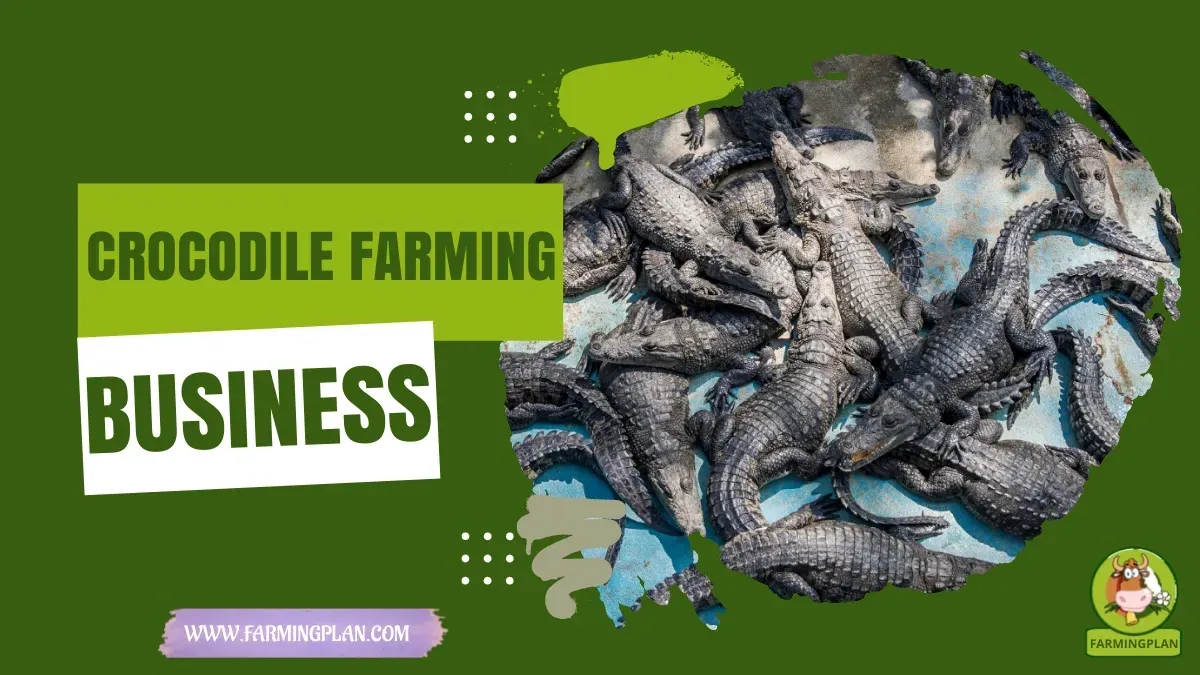
Physical Characteristics & Breed Standards
Commercial success in crocodile farming depends strictly on the structural integrity and skin quality of the physical animal. Structured culling and biosecurity protocols strengthen crocodile farming business genetic quality.
Market valuation is dictated entirely by the complete absence of physical blemishes, bite wounds, and abrasive scratches on the ventral abdominal surface.
Conformation Standards & Anatomical Structure
The commercial carcass is graded according to a strict four-quadrant belly inspection protocol: dividing the abdominal skin between the throat, front legs, hind legs, and cloaca. Any cut, scar, brown-spot fungal lesion, or scale irregularity downgrades the skin from Grade-1 (full price) to Grade-2 (25% discount) or Grade-3 (50% discount). Maintaining clean feeders and sanitized equipment supports sustainable crocodile farming business care.
The belly scales must be symmetrical, flat, and supple, with uniform grain alignment that enables seamless pattern cutting in luxury artisan ateliers. Species like the Saltwater Crocodile (Crocodylus porosus) and Nile Crocodile (Crocodylus niloticus) command premium pricing due to minimal ventral bone ossification.
The tail must be plump and well-muscled, as the caudal muscle accounts for over 60 percent of commercial boneless meat yield, producing lean, high-protein white fillets highly prized in gourmet export dining. Consistent daily observation helps keepers spot early changes in crocodile farming business health and behavior.
Bone structure must be strong and well-calcified, supported by balanced dietary mineral ratios to avoid skeletal deformities that impair swimming and feeding performance in crowded grow-out pens.
Jaw alignment must be straight and symmetrical: malformed jaws or rubber-jaw syndrome resulting from juvenile calcium deficiency reduce commercial utility and slow growth rates. Clean housing, fresh water, and balanced nutrition remain essential for crocodile farming business productivity.
The claw structure on the forelimbs must be intact and undamaged, as damaged claws can lead to secondary localized infections that can spread into digital cartilage and lower abdominal margins. Tracking feed intake and body condition supports long-term crocodile farming business performance.
Size, Weight Benchmarks & Color Variations
Commercial harvest targets a certified belly width of 35 to 42 centimeters, corresponding to a total body length of 5.0 to 5.8 feet (1.5 to 1.75 meters).
Animals harvested below 30 cm belly width face steep price penalties, while animals grown beyond 50 cm width require excessive feed inputs that erode profit margins. Following biosecurity best practices reduces disease risk in any crocodile farming business operation.
A commercial facility processing 2,000 head annually generates approximately 40,000 pounds (18,000 kg) of export-grade meat and 2,000 export-tagged luxury skins.
📊 Crocodile Farming Business Performance & Production Matrix
| Business Benchmark | Crocodile Farming | Commercial Catfish | Beef Cattle Feedlot |
|---|---|---|---|
| Primary Value Commodity | Luxury Exotic Belly Skin | Commercial Food Protein | Commodity Beef Carcass |
| Average Gross Margin | 35 to 45% (High Luxury) | 12 to 18% (Commodity Food) | 8 to 15% (Commodity Meat) |
| Time to First Cash Harvest | 3.0 to 3.5 Years (Long) | 5 to 6 Months (Ultra-Short) | 16 to 24 Months (Moderate) |
| Regulatory Barrier to Entry | Very High (CITES Permits) | Low to Moderate (Standard Ag) | Low (Standard Agricultural) |
| Target Buyer Demographics | European Luxury Houses | Domestic Retail Grocery | Meat Processors & Retail |
Breed History, Heritage & North American Development
The commercial crocodile farming industry emerged in the late 1960s and 1970s as an innovative, market-driven solution to global crocodilian population collapses caused by uncontrolled wild hunting. When conservation treaties restricted wild skin trade, pioneer ranchers in Zimbabwe, Australia, and the United States established commercial captive-breeding protocols. Seasonal adjustments to shelter and diet keep crocodile farming business thriving year-round.
In 1973, the establishment of the CITES treaty provided the legal architecture that enabled captive-bred crocodile products to enter international commerce under Appendix II quotas. International tanneries and luxury conglomerates realized that farmed skins were cleaner, more uniform, and ethically superior to wild-harvested hides.
Over subsequent decades, the International Crocodile Farmers Association (ICFA) established global animal welfare and environmental sustainability certification standards. Today, crocodile farming is a recognized conservation success story, funding wild wetland preservation across the globe. Proper record-keeping makes breeding and culling decisions easier for crocodile farming business keepers.
Housing, Shelter Dimensions & Winter Hardiness
Capital expenditure (CapEx) in commercial crocodile farming is dominated by climate-controlled hothouse buildings and high-volume water infrastructure.
Spatial Density & Enclosure Engineering
Design grow-out modules using insulated industrial hothouse buildings equipped with geothermal or biomass water heating systems that maintain water temperatures at 88°F (31°C) year-round. Providing adequate space and ventilation prevents common stress issues in crocodile farming business.
Install smooth, non-porous epoxy-coated concrete pens with dedicated shallow water basins and separate dry feeding platforms, designed for rapid automated gravity drainage.
Equip facilities with multi-stage water filtration combining high-capacity drum screens, biological nitrifying bio-filters, and ozone or UV disinfection systems to reuse up to 80 percent of heated water. Understanding breed-specific traits helps maximize crocodile farming business longevity and output.
Establish perimeter security with double concrete barrier walls (8 feet high) equipped with intruder alarms and automated access control gates to meet strict governmental dangerous wildlife regulations. Routine preventive care saves time and lowers veterinary costs for crocodile farming business.
Automate daily feeding apron wash-downs using high-pressure spray manifolds connected to waste recycling channels, ensuring pens are cleared of unconsumed meat scraps within ninety minutes.
Nutritional Requirements, Daily Rations & Feeding Protocols
Operating expenditure (OpEx) is heavily driven by feed sourcing; establishing long-term, low-cost bulk meat supply contracts is essential for business profitability. Matching forage or ration quality to life stage optimizes crocodile farming business growth.
Crude Protein Benchmarks Across Life Stages
Secure commercial contracts with regional poultry slaughterhouses, commercial fisheries, or beef processing plants to purchase bulk offal, frames, and trimmings at low industrial byproduct rates.
Install commercial walk-in blast freezers (-10°F / -23°C) and refrigerated processing mincers to preserve feed freshness and prevent bacterial rancidity. Gradual dietary transitions protect digestive stability in crocodile farming business.
Blend raw minced meats with 2.0 percent balanced crocodilian vitamin-mineral premix containing dicalcium phosphate, calcium carbonate, vitamin E, and trace minerals.
Maintain precise feeding records: feed conversions average 1.6 to 2.0 kg of raw meat feed per 1.0 kg of live weight gain during the first two years of development. Selecting healthy foundation stock is the cornerstone of successful crocodile farming business management.
Health Management, Common Diseases & Biosecurity Standards
Health management directly protects enterprise balance sheets: high morbidity or skin dermatitis causes catastrophic loss of skin grade valuation.
Biosecurity Protocols & Veterinary Defenses
Implement daily pen wash-downs and sanitization routines to prevent the accumulation of bacterial biofilms that harbor pathogenic Pseudomonas and Aeromonas species. Good predator-proofing and dry bedding safeguard crocodile farming business comfort in harsh weather.
Conduct routine skin examinations during monthly size-sorting and grading; separate aggressive individuals immediately to prevent bite wounds and territorial fighting. Monitoring water quality and mineral balance directly benefits crocodile farming business vitality.
Maintain strict water bio-filtration: elevated nitrite or ammonia levels cause stress-induced immune depression, leading to fatal systemic bacterial septicemia. Review global crocodilian veterinary standards via the IUCN Crocodile Specialist Group Industry Guidelines.
Partner with an experienced exotic animal veterinarian for annual herd health audits, CITES inspection certifications, and pharmaceutical compliance. Practical hands-on husbandry ensures consistent results when raising crocodile farming business.
Reproduction Economics, Hatchery Tech & Sex Manipulation
Commercial operations maintain a captive breeding nucleus or purchase certified wild-harvested eggs under legal governmental ranching quota allocations.
Computerized incubation technology is critical: precise temperature regulation at 88.5°F to 89.5°F (31.5°C to 32.0°C) produces 100 percent male cohorts, which grow 15 to 20 percent faster than females, significantly shortening the time to commercial harvest. Early intervention at the first sign of lethargy protects overall crocodile farming business flock or herd health.
Hatchery operations achieve 85 to 92 percent hatch rates under computerized humidity (90% RH) and temperature control. Juvenile mortality in well-managed nurseries remains below 4 percent during the critical first six months of life.
Commercial Facility & Annual Operating Cost Benchmarks
A financial pro-forma for a 1,000-head commercial crocodile enterprise requires significant initial capital investment, balanced by substantial multi-revenue returns upon commercial maturity. Structured culling and biosecurity protocols strengthen crocodile farming business genetic quality.
Comprehensive upfront budgeting must also incorporate site perimeter security fencing, automated thermal regulation systems, high-volume effluent water bio-filtration lagoons, and regulatory export compliance inspections. Establishing dedicated operational reserves representing at least fifteen percent of total working capital prevents liquidity shortfalls during prolonged winter dormancy or global tannery skin price adjustments.
💰 Estimated Annual Budget & Maintenance Costs (USD)
| Budget Category | Item Description & Scope | Initial Capital Outlay | Annual Recurring Expense |
|---|---|---|---|
| Facility Land & Security Perimeter | 5-acre rural parcel, 8-ft concrete wall, and gates | $30,000 – $60,000 | $1,500 – $3,000 |
| Hothouse Grow-Out Buildings | Insulated hothouse, concrete pens, and epoxy coating | $60,000 – $120,000 | $2,000 – $4,500 |
| Industrial Water Heating & Filtration | Biomass boiler, heat exchangers, drum filters, pumps | $25,000 – $55,000 | $1,800 – $3,500 |
| Broodstock & Hatchery Incubators | 50 breeding adults, computerized incubator units | $18,000 – $35,000 | $800 – $1,500 |
| Cold Storage & Skin Processing Gear | Walk-in freezer, mincer, salting bins, skinning gear | $12,000 – $25,000 | $600 – $1,200 |
🐊 Crocodile Business Farm Feed & Pen Calculator
Calculate weekly meat rations (lbs), basking pool volume (gallons), land apron area (sq ft), and water temperature parameters for commercial Crocodile Business.
Frequently Asked Questions (FAQ)
Is a crocodile farming business profitable?
Yes, well-managed commercial crocodile farms achieve net profit margins of 28 to 38 percent once operational maturity is reached, driven by high-value export sales of luxury belly skins and premium table meat.
How much does it cost to start a commercial crocodile farm?
Starting a commercial-scale operation (1,000 head capacity) typically requires an initial capital expenditure of $150,000 to $300,000 USD for concrete hothouses, heating systems, security walls, and breeding stock.
How long does it take for a crocodile farm to generate revenue?
Crocodile farming requires a 3 to 4-year development period from initial setup and egg incubation before the first crop of animals reaches harvestable commercial size (35 cm belly width).
What permits are required to run a crocodile farm?
Operators must secure dangerous wildlife permits, environmental ministry clearances, commercial aquaculture licenses, and official CITES Appendix II captive-breeding export registration.
Expert Verdict & Next Steps for Agribusiness Entrepreneurs
The Crocodile Farming Business represents an elite, highly lucrative frontier in modern commercial agribusiness, rewarding disciplined operators who combine advanced engineering, biological precision, and international luxury market access. For investors with patient capital and rigorous management standards, commercial crocodilian farming delivers exceptional long-term financial returns. Maintaining clean feeders and sanitized equipment supports sustainable crocodile farming business care.
Broaden your commercial farming expertise by exploring our companion guides to regional Crocodile Farming in Africa, high-density African Catfish Aquaculture, national Crocodile Farming in Bangladesh, and technical Crocodile Farming Techniques.
📚Agricultural Reference & Scientific Citations
Standards and physiological data referenced in this guide comply with USDA Animal and Plant Health Inspection Service (APHIS), American Veterinary Medical Association (AVMA), and the FAO Domestic Animal Diversity Information System.


