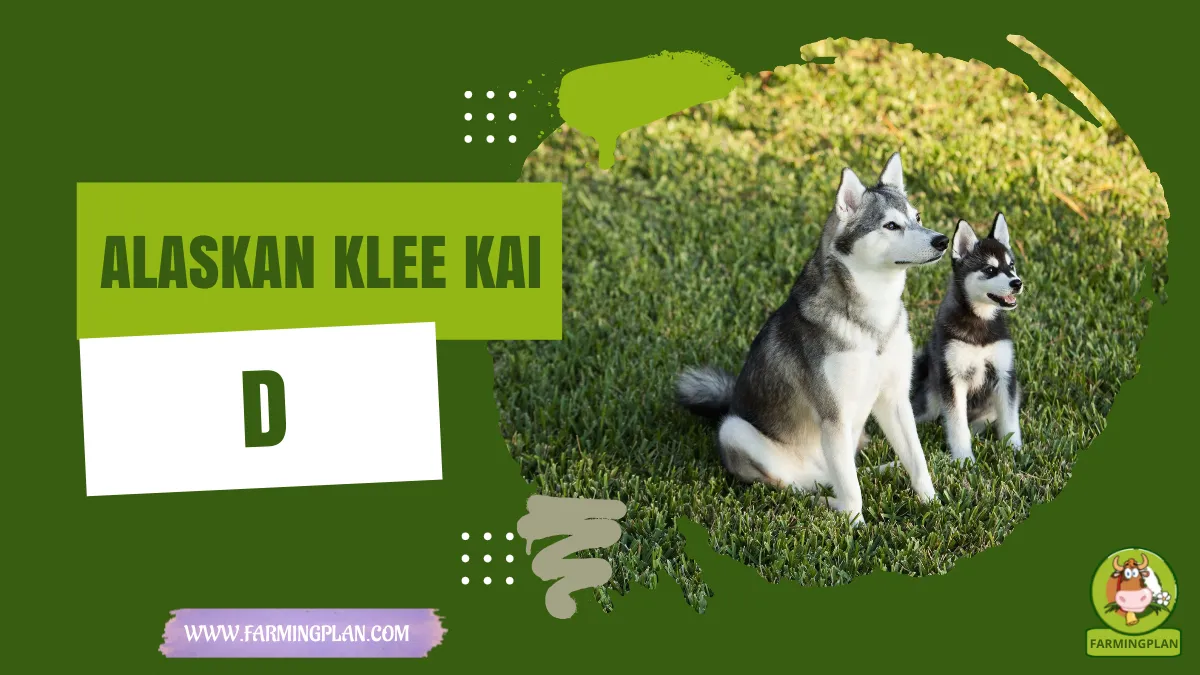
If you’ve ever wanted a Husky in a smaller, easier-to-manage size, the Alaskan Klee Kai Dog is your dream companion. This miniature Husky packs the same sharp eyes, playful spirit, and loyal heart into a compact frame. Bred for companionship, not sled-pulling, the Klee Kai combines intelligence, beauty, and affection — a perfect choice for anyone looking for a smart, loving pet with Husky charm.
History & Origin
The story of the Alaskan Klee Kai starts in the 1970s with Linda Spurlin, a passionate dog lover from Alaska. She wanted to create a miniature version of the Alaskan Husky, designed for companionship rather than work. Through selective breeding using Alaskan Huskies, Siberian Huskies, and American Eskimo dogs, she crafted a smaller, intelligent, and loyal breed.
The name “Klee Kai” comes from an Inuit Eskimo dialect, meaning “small dog.” By the 1990s, the breed gained recognition from the United Kennel Club (UKC) and the Federation of International Canines. It was later listed in the American Kennel Club’s Foundation Stock Service (AKC FSS), marking it as an emerging pure breed. Today, Alaskan Klee Kais are loved worldwide — from the snowy plains of Alaska to city apartments. Thanks to breeders and clubs like the Alaskan Klee Kai Club of America, the breed continues to grow in popularity, adored for its Husky looks and playful personality.
Read More: Great Dane: Guide for Dog Lovers
Characteristics
The first thing people notice about an Alaskan Klee Kai is its resemblance to a tiny Husky. They come in three sizes — toy, miniature, and standard. The toy stands up to 13 inches tall, the miniature between 13–15 inches, and the standard can reach 17 inches. Their weight ranges from 5 to 22 pounds depending on the size.
Their signature mask and erect ears give them that wolfish look, while their thick double coat, complete with guard hairs and undercoat, keeps them warm in cold climates. Coat colors vary — black and white, red and white, or gray and white are the most common. Their medium-length, wiry fur does shed, especially during seasonal changes when they “blow their coat.” Tools like a Furminator, Tangle Teezer, and even a lint roller can make grooming easier. I always remind owners to brush regularly and use a hair dryer on cool setting after baths to prevent skin irritation.
Read More: Border Collie: The Smartest Dog In The World
Nature & Temperament
I often say the Alaskan Klee Kai acts like a tiny watchdog with a Husky soul. They’re intelligent, alert, and loyal but can be a little shy with strangers. Once they warm up to you, they’re incredibly affectionate.
Their temperament leans toward independence — they think before obeying, much like Siberian Huskies. They can be vocal and expressive, often “talking” through howls or whines. Early socialization helps tone down excessive barking and anxiety. They can suffer from separation anxiety if left alone too long, so crate training or having a companion dog helps. Because of their prey drive, they might chase small pets, but with proper training and patience, they learn to behave. Klee Kais are perfect for active people who want a smart, loyal, and adventurous companion.
Read More: Australian Shepherd: Loyal And Loving Dog
Food & Diet
Feeding an Alaskan Klee Kai isn’t too complicated, but they can be fussy eaters. I always recommend sticking to high-quality dog food with real meat as the first ingredient. Avoid fillers like corn or soy.
For puppies, feed three small meals daily; adults do well with two meals. You can choose between kibble or fresh meal plans like Butternut Box. Since the breed is prone to liver and thyroid issues, a balanced diet is crucial. Omega-3 fatty acids from fish oil help maintain their shiny coat and reduce shedding. Treats should be healthy — carrots, small apple slices, or natural chews. Always provide clean water and limit table scraps to avoid digestive problems. Regular dental care is also essential, as small breeds are prone to tartar buildup.
Usage & Purpose
Unlike their Husky ancestors bred for carting and sledding, the Alaskan Klee Kai was designed purely for companionship. They may share the same DNA as working dogs but their size and temperament make them perfect house pets.
They thrive in families, apartments, or even with single owners who enjoy outdoor activities. Many Klee Kais excel in dog agility training, obedience competitions, and even therapy roles because of their sharp minds and athletic build. Although they’re excellent watchdogs, they aren’t guard dogs — they’ll alert you with their voice but prefer cuddling over confronting. That’s part of their charm!
Special Features
What truly makes the Alaskan Klee Kai special is its miniature Husky appearance paired with an affectionate, loyal nature. Their mask, expressive eyes, and curled tail make them look like a living plush toy.
Their coats are low-odor, and they’re naturally clean — often grooming themselves like cats. They have a strong sense of nonverbal communication cues, responding quickly to tone and gestures. I love that they learn best through positive reinforcement — they don’t respond well to harsh corrections or prong collars. Their adaptability is another strength. Whether you live in the British countryside or a bustling city, this breed adjusts as long as it gets daily exercise and attention.
Health Issues & Prevention
Like any breed, the Alaskan Klee Kai has a few genetic concerns to watch out for. Common issues include patellar luxation, juvenile cataracts, Factor VII Deficiency, autoimmune thyroiditis, heart murmurs, and liver disease.
Reputable breeders perform health screening like Patella Evaluation, Thyroid Evaluation, and genetic DNA tests (Wisdom Panel or AKC DNA Program). Always ask for health certifications before buying a puppy.
Good nutrition, regular vet visits, and avoiding overbreeding prevent most problems. Because of their small bones, it’s best not to let them jump from high furniture. And don’t skip grooming — matted coats can lead to skin irritation and overheating.
Schedule yearly health screenings and keep vaccinations updated — prevention is always easier than cure.
Step-by-Step Pet Owner Care Guide
Caring for an Alaskan Klee Kai takes patience, love, and consistency. These dogs thrive on attention and structure. Here’s a detailed, step-by-step guide based on my personal experience raising them.
Step 1: Set Up a Safe and Comfortable Space
Start by creating a cozy area with a Collapsible Dog Crate or Impact Dog Crate. Ensure ventilation holes for airflow and a soft orthopedic mattress. The crate becomes a safe haven, helping prevent separation anxiety. Keep it in a quiet corner but close to family activity so your Klee Kai doesn’t feel isolated.
Step 2: Begin Early Socialization
Expose your puppy to different people, sounds, and environments early. Visit the dog park, meet friendly pets, and introduce leash walking. This helps prevent shyness and redirected aggression later in life. Remember, gentle leash corrections and structured walks teach respect without fear.
Step 3: Focus on Obedience and Agility Training
These dogs love mental challenges. Enroll in dog obedience sessions or try agility training. Use treats and praise for motivation — never force. Keep sessions short but regular. This keeps their clever minds busy and strengthens your bond.
Step 4: Master Grooming Routine
Brush 2–3 times weekly using a de-shedding brush or Tangle Teezer. During coat-blowing seasons, daily brushing helps reduce fur around the home. Regular nail trimming and ear cleaning prevent discomfort. Baths every 6–8 weeks are enough — just make sure to dry them well with a hair dryer on low heat.
Step 5: Feed and Hydrate Properly
Stick to a consistent feeding schedule with high-quality dog food. Divide meals into two portions daily. Include occasional raw bones for dental health and limit treats. Keep an eye on weight since small dogs can gain fat quickly.
Step 6: Maintain Health and Vet Care
Schedule vet visits at least twice a year. Ask for genetic health tests, monitor thyroid levels, and track heart health. Routine Patella and Thyroid Evaluations can catch early signs of problems.
Step 7: Build Emotional Connection
Spend quality time daily — even 30 minutes of play or cuddles works wonders. These dogs love being part of family activities. If you’re away often, consider a second dog for companionship.
Expert Tips & Best Practices
- Keep walks structured — you’re the pack leader, not your dog.
- Use a Martingale collar or harness for better control.
- Avoid harsh tools like pinch collars.
- Invest in pet hair seat covers — trust me, they save your car from fur storms.
- A dog behaviorist can help if your Klee Kai shows stubborn behavior.
- Keep sessions positive — reward small successes.
- Use a High Anxiety Dog Crate if your dog struggles with alone time.
- Always use groomers familiar with double-coated breeds.
- Stay connected with the Alaskan Klee Kai Club of America or AKC Rescue Network to learn from other owners.
FAQ
How much does an Alaskan Klee Kai cost?
Prices range from $2,000 to $5,000 depending on size, color, and breeder reputation.
How big does an Alaskan Klee Kai get?
They come in three sizes — toy (under 13″), miniature (13–15″), and standard (15–17″), weighing 5–22 pounds.
Are Alaskan Klee Kai good family pets?
Yes, they’re great for families who can provide attention, exercise, and early training. They bond deeply but can be shy with strangers.
Do Alaskan Klee Kai shed a lot?
Yes, they shed heavily during seasonal coat changes. Regular brushing and grooming tools help manage shedding.
How long do Alaskan Klee Kai live?
Their lifespan averages 12–16 years with proper care, diet, and regular vet checkups.
Conclusion
The Alaskan Klee Kai Dog might be small, but it carries the heart, energy, and intelligence of a true Husky. With their playful spirit, stunning looks, and loyalty, they fit perfectly into active households. Raising one takes commitment — from grooming their thick coat to understanding their emotional needs — but every moment spent is worth it. If you’re looking for a compact, smart, and loving Husky-type companion, the Klee Kai is the perfect match. Share this guide with other dog lovers, drop your questions in the comments, and let’s celebrate this wonderful breed together.