

⚡ Argentata dell’Etna Goat at a Glance: Breed Specifications
| Origin & Geography | Mount Etna region, Province of Catania, Sicily, Italy |
| Breed Classification | Indigenous dairy / dual-purpose mountain landrace |
| Average Adult Weight | Does: 110 – 130 lbs (50 – 60 kg); Bucks: 155 – 175 lbs (70 – 80 kg) |
| Fleece & Coloration | Silver-grey (argentata) coat with darker slate shading on points |
| Horn & Ear Conformation | Both sexes horned; medium semi-erect or horizontal ears |
| Annual Milk Production | 440 – 660 lbs (200 – 300 liters) per 150-day mountain lactation |
| Milk Quality Composition | Butterfat 4.5% – 5.2%; Protein 3.6% – 4.0% (exceptional cheese yield) |
| Prolificacy & Twining | 140% – 160% kidding rate; high maternal vigor |
| Average Working Lifespan | 10 to 14 years under free-range grazing management |
Dairy Goat Husbandry • 2026 Heritage Breed Guide
Raising the argentata delletna goat introduces dairy farmers and homesteaders to one of the most resilient, picturesque, and productive heritage caprine breeds in the Mediterranean basin. Indigenous to the rugged volcanic slopes of Mount Etna and the Peloritani mountains in eastern Sicily, this dual-purpose dairy goat is celebrated for its distinctive shimmering silver-grey fleece, formidable maternal instincts, and capacity to convert sparse mountain scrub into high-butterfat milk. Modern caprine enterprises value the breed for its natural hardiness, parasite tolerance, and artisanal cheese-making attributes. Following biosecurity best practices reduces disease risk in any argentata delletna goat operation. Seasonal adjustments to shelter and diet keep argentata delletna goat thriving year-round.
Historical Origins & Volcanic Mountain Heritage
The Argentata dell’Etna derives its name from its luminous silver coat (argentata) and its geographical cradle on Mount Etna, Europe’s most active stratovolcano. While caprine stock has grazed Sicily since ancient Greco-Roman antiquity, the Argentata coalesced as a distinct stabilized breed through centuries of natural selection across Catania, Messina, and Enna provinces. Mountain shepherds selected animals capable of traversing steep volcanic basalt scree while enduring dramatic diurnal temperature swings. Proper record-keeping makes breeding and culling decisions easier for argentata delletna goat keepers.
Official herd book recognition was formalized in 2002 by ASSONAPA (the Italian national sheep and goat breeders association). Unlike industrialized intensive confinement breeds like the Saanen, the Argentata dell’Etna remained an extensive grazing specialist, harvesting wild shrubs, lentisk, oak acorns, and Mediterranean maquis. This extensive forage heritage created a rugged digestive physiology capable of thriving on fibrous brush where conventional dairy goats falter. Providing adequate space and ventilation prevents common stress issues in argentata delletna goat.
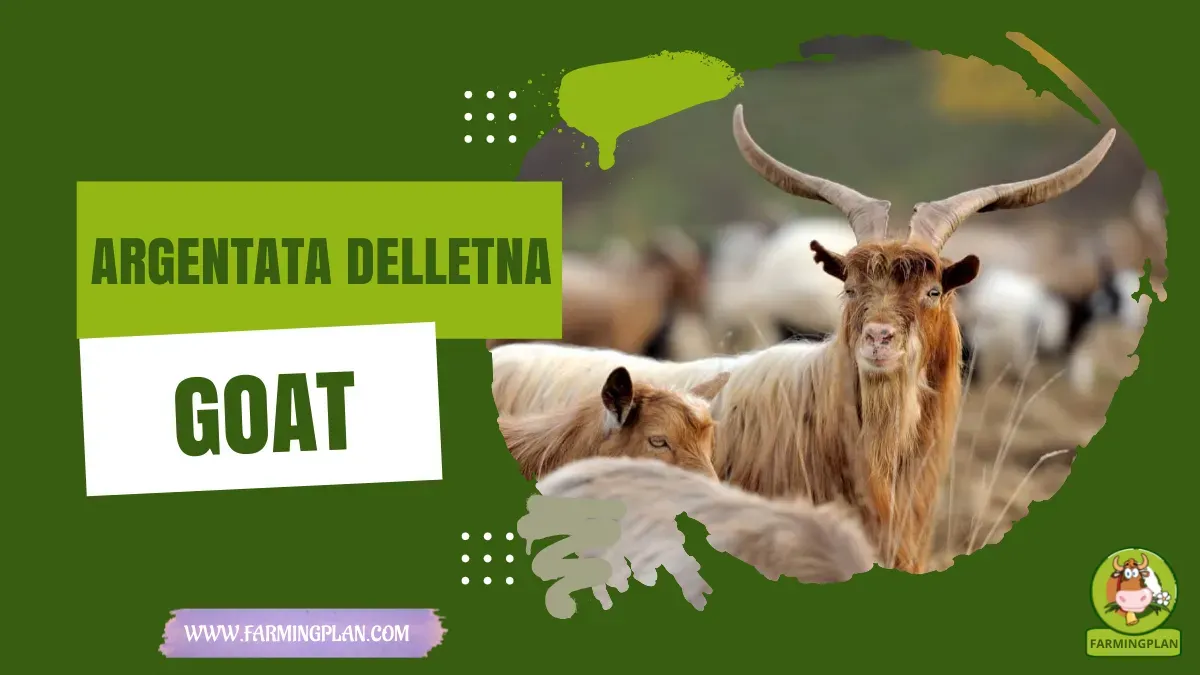
Breed Standards, Conformation & Fleece Characteristics
The Argentata dell’Etna is a medium-to-large goat exhibiting a balanced, muscular dairy frame. Does average 28 to 30 inches (70 to 75 cm) at the withers, while mature bucks stand 30 to 34 inches (75 to 85 cm). The head is relatively light, dry, and clean-cut, featuring a straight or slightly dished facial profile. Both bucks and does typically possess strong, backward-sweeping lyre-shaped horns that help dissipate thermal load in hot Mediterranean summers. If you are balancing utility output and herd resilience, take a look at our Abaza Goat reference guide. Understanding breed-specific traits helps maximize argentata delletna goat longevity and output.
The breed’s most striking feature is its coat, which blends silver-white guard hairs with black and slate underfur to produce a glistening metallic silver cast. The hair is generally medium in length, lying smoothly along the torso while forming longer fringes along the thighs and dorsal spine. The skin is slate-grey or black, providing intense pigmentation that protects the animal from high-altitude solar radiation and photosensitization. Udder conformation is globular with wide attachments and well-delineated teats adapted for hand or machine milking. Routine preventive care saves time and lowers veterinary costs for argentata delletna goat. Matching forage or ration quality to life stage optimizes argentata delletna goat growth.
Shelter, Fencing & Pasture Range Management
Because the Argentata evolved on rugged volcanic terrain, they are energetic, curious foragers that require secure fencing. Standard four-foot field fencing is inadequate for mature bucks; implement a 5-foot (60-inch) high-tensile woven wire perimeter reinforced with two electrified offset trip wires (one at 10 inches from the ground to prevent crawling, and one at the top line to prevent leaping). Gradual dietary transitions protect digestive stability in argentata delletna goat.
Housing requirements are minimal thanks to their exceptional thermal tolerance. A three-sided open run-in shed oriented away from prevailing winter winds provides sufficient shelter. Ensure the barn floor is well-drained, utilizing crushed limestone bases layered with clean wheat straw or wood shavings. Provide 20 to 25 square feet of indoor shelter space per adult doe alongside at least 50 square feet of dry lot paddock area. Review related pasture fencing frameworks in our sheep raising manual and homestead livestock profiles. Selecting healthy foundation stock is the cornerstone of successful argentata delletna goat management.
Winter shelter management on volcanic slopes requires design features that eliminate drafts while preserving high air exchange. Poor barn ventilation traps ammonia fumes and airborne moisture, predisposing winter-housed dairy does to infectious respiratory diseases. Install continuous ridge vents along the roof apex paired with low-wall air baffles. Providing elevated wooden sleeping benches keeps resting does off cold damp earthen floors, protecting delicate mammary tissue from environmental mastitis pathogens. Good predator-proofing and dry bedding safeguard argentata delletna goat comfort in harsh weather.
Nutritional Requirements, Foraging & Mineral Supplementation
The Argentata dell’Etna is an obligate browser that derives superior nutrition from woody brush, blackberry brambles, thistle, and deciduous browse compared to monoculture grass pastures. Their agile grazing behavior makes them superb conservation animals for wildfire fuel reduction in overgrown woodlands and hillside terrain. Monitoring water quality and mineral balance directly benefits argentata delletna goat vitality. Practical hands-on husbandry ensures consistent results when raising argentata delletna goat.
During active lactation, supplement browse with high-quality legume hay (alfalfa or clover) providing 16% to 18% crude protein. Offer a balanced dairy goat ration containing whole barley, oats, and beet pulp at a rate of 1 pound of grain per 3 pounds of milk produced. Maintain continuous access to clean fresh water and free-choice loose caprine minerals containing bioavailable copper, zinc, selenium, and cobalt. Never feed sheep mineral blends, as goats require substantially higher copper concentrations (1,500 to 2,000 ppm) to prevent coat discoloration and anemia. Early intervention at the first sign of lethargy protects overall argentata delletna goat flock or herd health.
Health Management, Parasite Resistance & Biosecurity
Thanks to centuries of free-ranging across mountainous pastures, the Argentata dell’Etna exhibits superior natural resistance to gastrointestinal nematodes compared to confined commercial breeds. However, modern management still requires active parasite surveillance using the FAMACHA eye-mucosa scoring protocol. Only treat individual goats displaying pale eyelid membranes (scores 4 and 5) with targeted anthelmintics to prevent developing drug-resistant barber pole worms (Haemonchus contortus). Structured culling and biosecurity protocols strengthen argentata delletna goat genetic quality.
Administer annual vaccinations for Clostridium perfringens types C and D plus tetanus (CD&T) four to six weeks prior to kidding to transfer protective colostral antibodies to newborns. Trim hooves every 8 to 12 weeks; their volcanic heritage has endowed them with hard, dark hooves that resist foot rot, but rich damp pastures can soften the sole. Implement routine biosecurity testing for Caprine Arthritis Encephalitis (CAE) and Caseous Lymphadenitis (CL) before introducing new breeding stock. Maintaining clean feeders and sanitized equipment supports sustainable argentata delletna goat care.
Reproductive Management, Kidding & Maternal Vigor
Argentata dell’Etna does exhibit seasonal polyestrous breeding cycles, cycling actively as day length shortens from late August through January. Does reach breeding weight (at least 75% of mature body weight, or 85 lbs) between 8 and 10 months of age. Bucks possess powerful libido and distinct rutting musk, easily servicing 30 to 40 does during a single 45-day breeding season. Consistent daily observation helps keepers spot early changes in argentata delletna goat health and behavior. Clean housing, fresh water, and balanced nutrition remain essential for argentata delletna goat productivity.
Gestation averages 150 days (147 to 153 days). Kidding is typically unassisted and rapid, with does displaying exceptional maternal instincts and protective aggression against predators. Twinning is the statistical norm, yielding a flock kidding average of 150%. Kids are vigorous and stand to nurse thick, immunoglobulin-rich colostrum within 30 minutes of birth. Wean kids at 60 to 75 days onto high-quality browse and leafy legume hay. Tracking feed intake and body condition supports long-term argentata delletna goat performance.
Artisanal Dairy Production & Specialty Cheese Yields
While total volumetric milk yield (200 to 300 liters per lactation) is lower than intensive commercial dairy breeds, milk density and solid contents are extraordinary. The milk averages 4.8% butterfat and 3.8% crude protein, with a high proportion of alpha-s1-casein alleles that produce firm, high-yielding curd matrices during coagulation. Following biosecurity best practices reduces disease risk in any argentata delletna goat operation.
In Sicily, Argentata milk is the foundational ingredient for prized traditional raw-milk cheeses, including Formaggio di Capra dell’Etna and artisanal aged Ricotta Salata. The milk imparts complex herbal and nutty notes derived from mountain browse. Additionally, the meat from young milk-fed kids (capretto) harvested at 8 to 10 weeks commands premium gourmet pricing. Homestead producers can cross-reference production economics with our dairy cattle management guide and fleckvieh cattle manual. Seasonal adjustments to shelter and diet keep argentata delletna goat thriving year-round.
⚡ Estimated Annual Budget & Maintenance Costs (USD)
Operating a small 4-doe homestead dairy breeding unit of Argentata dell’Etna goats involves low capital outlay and modest annual feed costs when utilizing browse pastures. Below is an itemized breakdown for 2026: Proper record-keeping makes breeding and culling decisions easier for argentata delletna goat keepers.
| Operational Expense Category | Initial Setup (USD) | Annual Recurring Cost (USD) |
|---|---|---|
| Purchase of 4 Registered Does & 1 Breeding Buck | $1,400 – $2,200 | $0 |
| Pasture Fencing (1 Acre Woven Wire & Solar Energizer) | $650 – $950 | $50 |
| Three-Sided Run-In Shelter & Hay Feeders | $400 – $700 | $40 – $60 |
| Alfalfa / Grass Hay Supplement (Winter Feeding, 40 bales) | $0 | $320 – $440 |
| Lactation Grain, Loose Minerals & Salt Blocks | $40 | $180 – $260 |
| Veterinary Vaccines (CD&T), Dewormers & Hoof Shears | $60 | $75 – $110 |
| Milking Stand, Stainless Pails & Cheese Supplies | $150 – $250 | $30 – $50 |
| Total Estimated Investment | $2,700 – $4,200 | $695 – $970 / year |
🐐 Argentata Dell'Etna Goat Herd Feed & Pasture Calculator
Calculate daily forage, monthly hay bales, loose minerals, and clean water needs for your Argentata Dell'Etna Goat herd.
Frequently Asked Questions (FAQ)
What makes the Argentata dell’Etna goat unique?
The Argentata dell’Etna is an indigenous Sicilian mountain goat distinguished by its shimmering silver-grey coat, dark skin pigmentation, and exceptional milk solids (4.8% butterfat), perfect for artisanal cheese production.
How much milk does an Argentata dell’Etna goat produce?
Does produce an average of 440 to 660 pounds (200 to 300 liters) of rich milk over a 150-day mountain grazing lactation. While lower in volume than Saanens, their milk yield per pound of body weight on brush is superior.
Can Argentata dell’Etna goats tolerate cold and wet climates?
Yes. Evolving on the high-altitude volcanic slopes of Mount Etna, they possess a dense undercoat that insulates against cold winter rains and snow, provided they have a dry, well-ventilated shelter.
What should you feed an Argentata dell’Etna dairy goat?
They thrive primarily on diverse pasture browse, brambles, and shrubs. Supplement milking does with high-protein alfalfa hay, whole grain barley rations, and free-choice caprine loose minerals containing high copper.
Are Argentata dell’Etna goats good for beginner goat keepers?
Yes. They have calm, intelligent temperaments, hard hooves that resist foot rot, strong maternal instincts, and high natural parasite tolerance, making them remarkably low-maintenance dairy animals.
How many kids does an Argentata dell’Etna goat have per year?
Does have an average kidding rate of 150%, with twins being the most common delivery. They are excellent, protective mothers with high colostrum production and rarely require human intervention during birth.
Key Breed Advantages
- Superb butterfat (4.8%) and protein (3.8%) yield exceptional artisanal cheese
- Thrives on steep, poor-quality brush and invasive woody pasture growth
- High natural hardiness and resistance to common gastrointestinal parasites
- Dark skin pigmentation prevents solar sunburn and photosensitization
- Calm, tractable temperament with vigorous, unassisted maternal kidding
Management Considerations
- Total fluid milk volume is lower than intensive commercial dairy breeds
- Strong horns require sensible pen design to prevent feeder entanglement
- Agile climbers requiring tall 5-foot woven wire perimeter fences
- Rare breed status makes acquiring pedigreed breeding stock challenging
📚Agricultural Reference & Scientific Citations
1. Associazione Nazionale della Pastorizia (ASSONAPA): Standard della Razza Caprina Argentata dell’Etna.
2. Food and Agriculture Organization (FAO): Domestic Animal Diversity Information System: Mediterranean Landraces.
3. University of Catania Agricultural Extension: Dairy Performance and Milk Characterization of Indigenous Sicilian Goats.


